

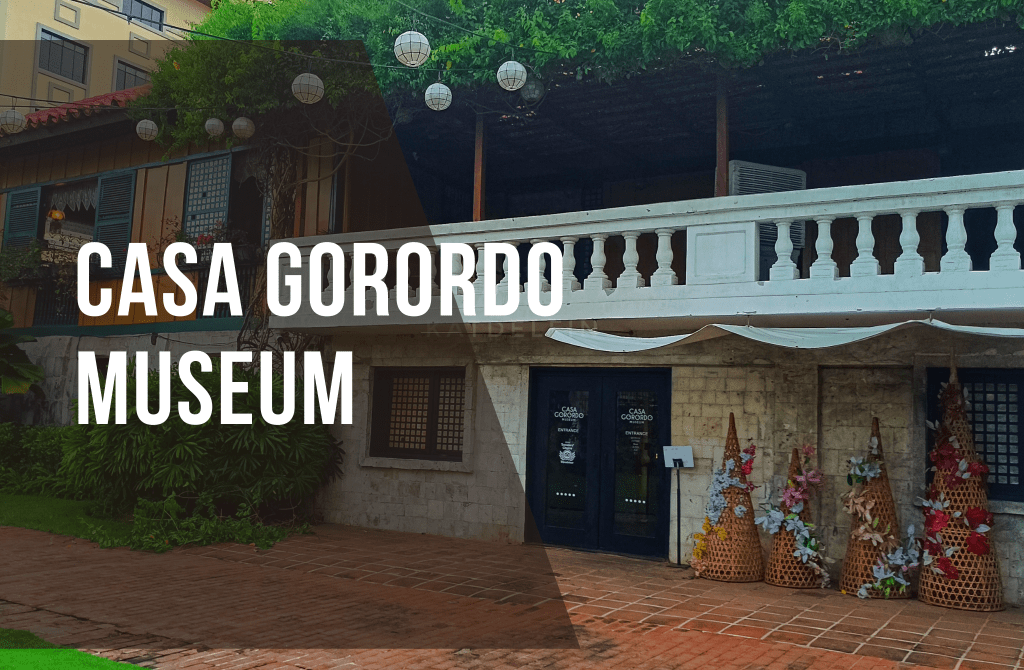

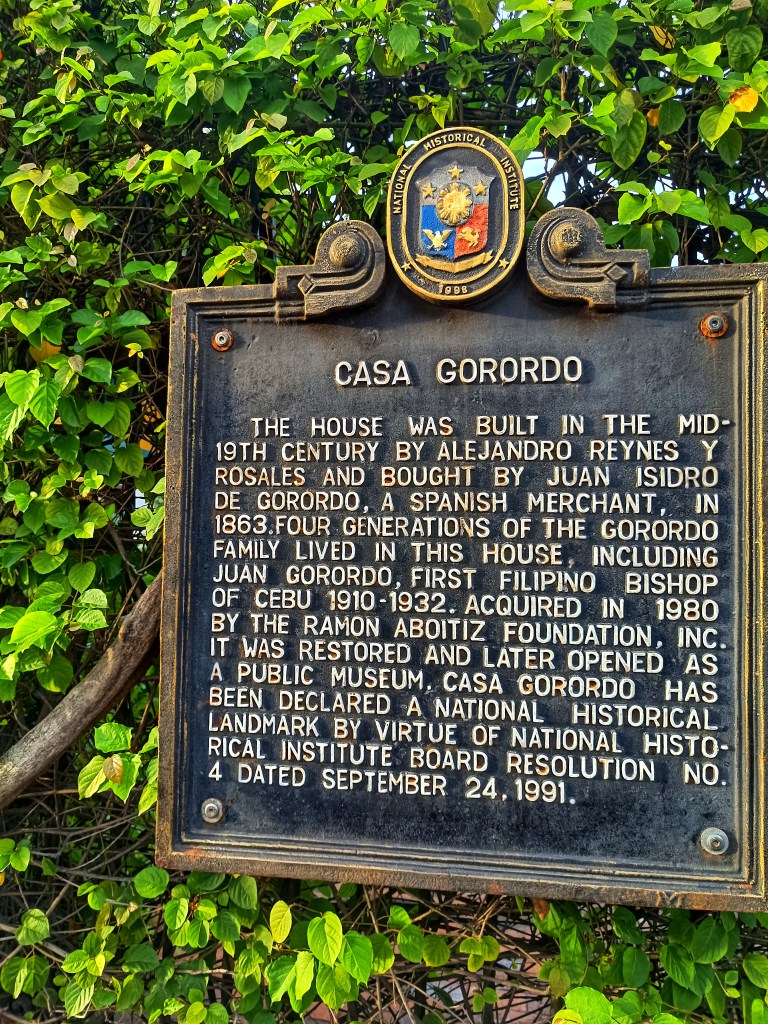
A glimpse of another spanish house from the 1800s located at the oldest city in the Philippines. This house was bought by Isidro Gorordo, a merchant from the Basque province of Vizcaya in Spain, where four generations of his family lived. Among them was the first Filipino Bishop of Cebu, Juan Gorordo, thus the name of the house, and later marked as a National Historical Landmark in 1991 by the National Historical Institute (now National Historical Commision of the Philippines). You can read more about the remarkable history of Casa Gorordo in their official website.
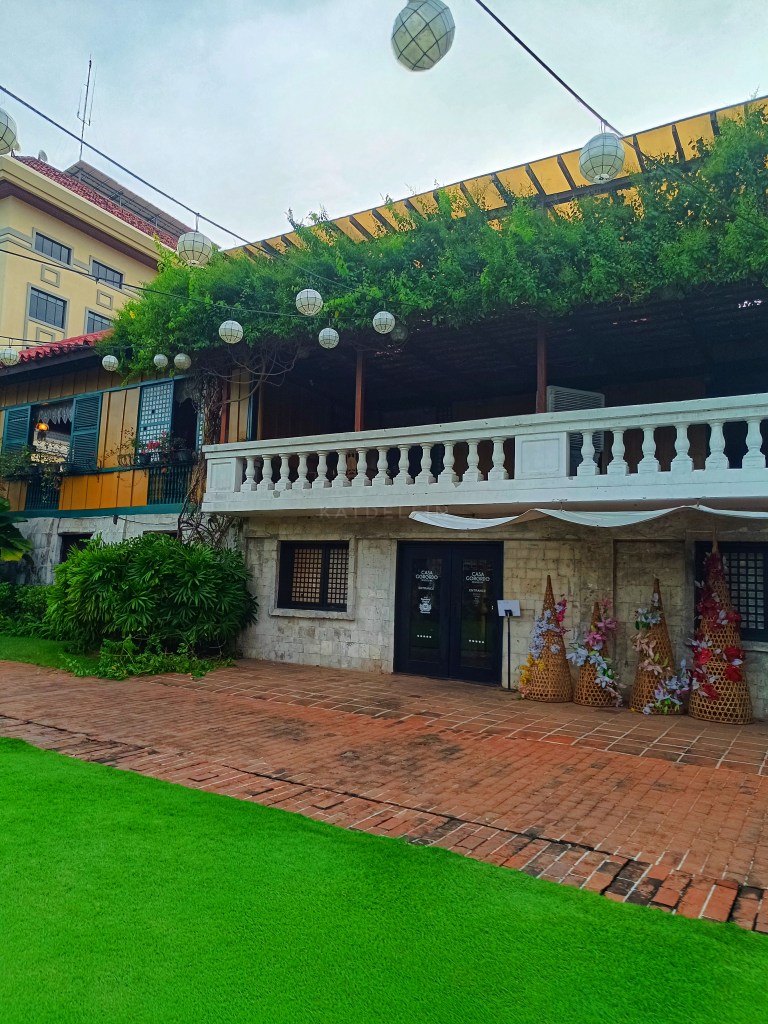
My driver and I had a little back and forth about what’s the correct name of this place because the didn’t have listed in their tour, and I listed it as Casa Gordon Museum so he couldn’t find it on the map and had to call his boss to clarify while I was touring the National Museum, and they, too, had a their own little back and forth. (I am very sorry for the confusion, FaMillanes.)
Walking through this house reminded me of my great grandmother’s, especially the wooden floorboards and her horse statues.
Coming from another ancestral house and how creeped out I was there, I almost ditched the idea of coming here, but I was glad that I braved through and went ahead.
As it was 15mins before their closing, I think I was just allowed to enter because I was alone, and they probably thought I won’t stay that long anyway. Although, they were nice enough to tell me to take my time.
Seeing no soul ahead, and no cars lining outside, I thought I was really alone. I was told that taking videos wasn’t allowed so I had stow away my Osmo Pocket as an obedient visitor.
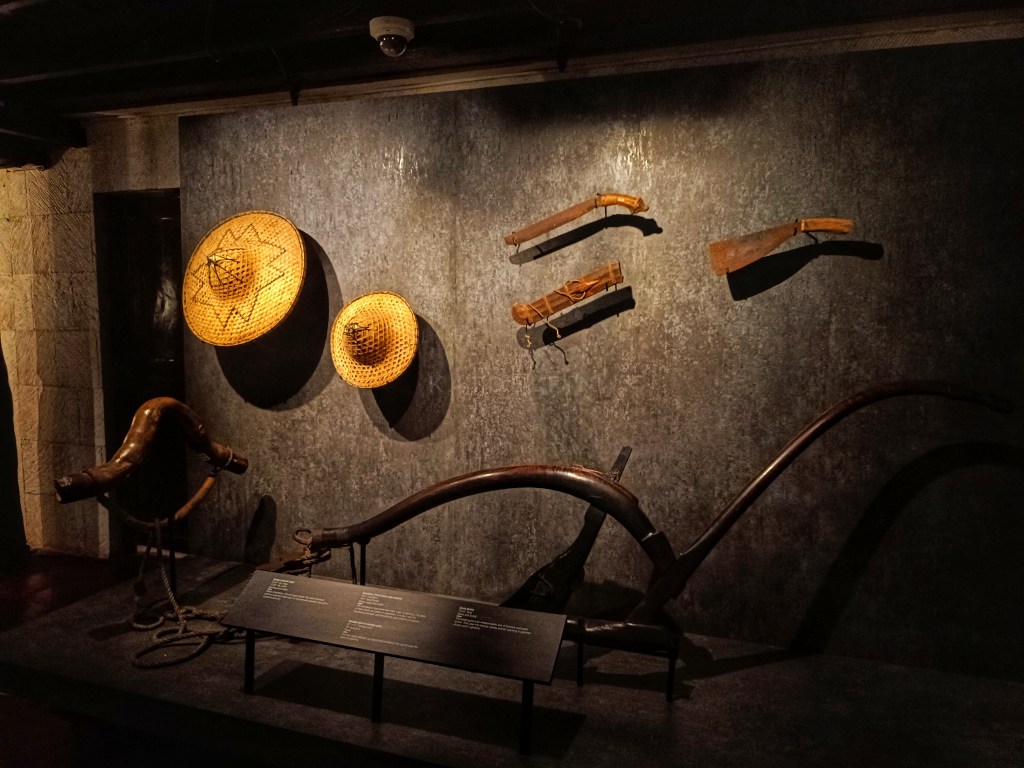
After paying for a Php100 entrance fee by the, well, entrance, I proceeded through the hallway leading to large religious statues on the ground floor, which I later learned was called a Zaguan or Silong, a place in the house where things are usually stored, such as harvested crops, mode of transportations, rural and agricultural tools, and some parts, as seen here, are used to store these items of devotion to be used, maybe by the family or during religious events. I also learn that one can keep a chicken coop in their silong.
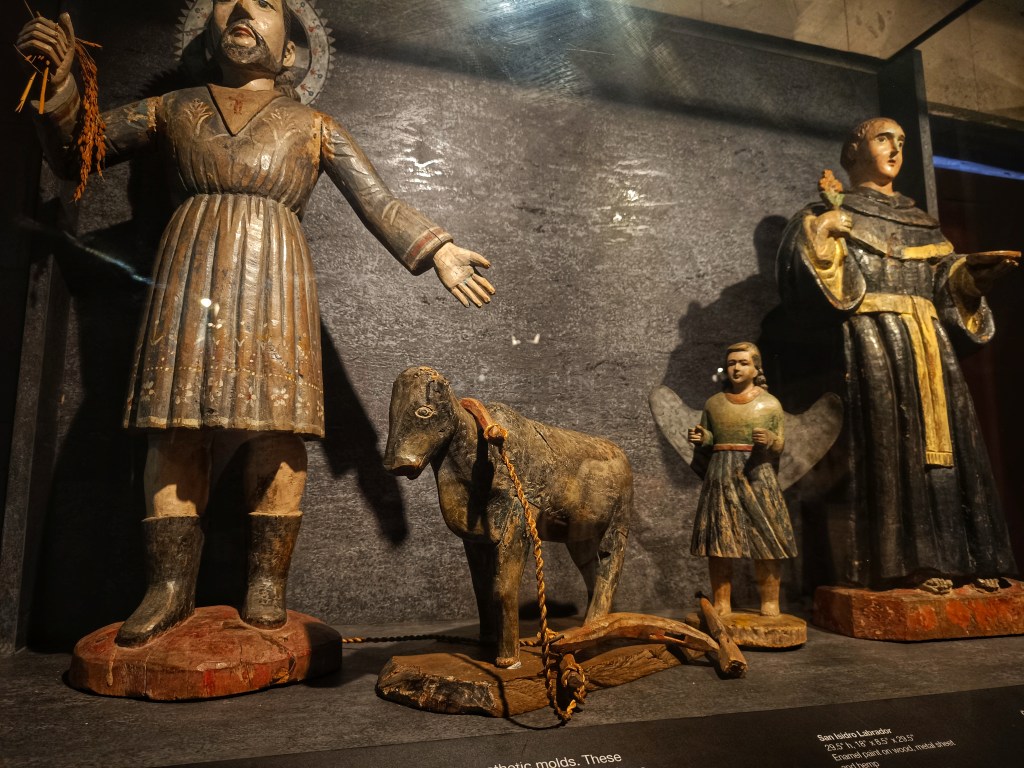
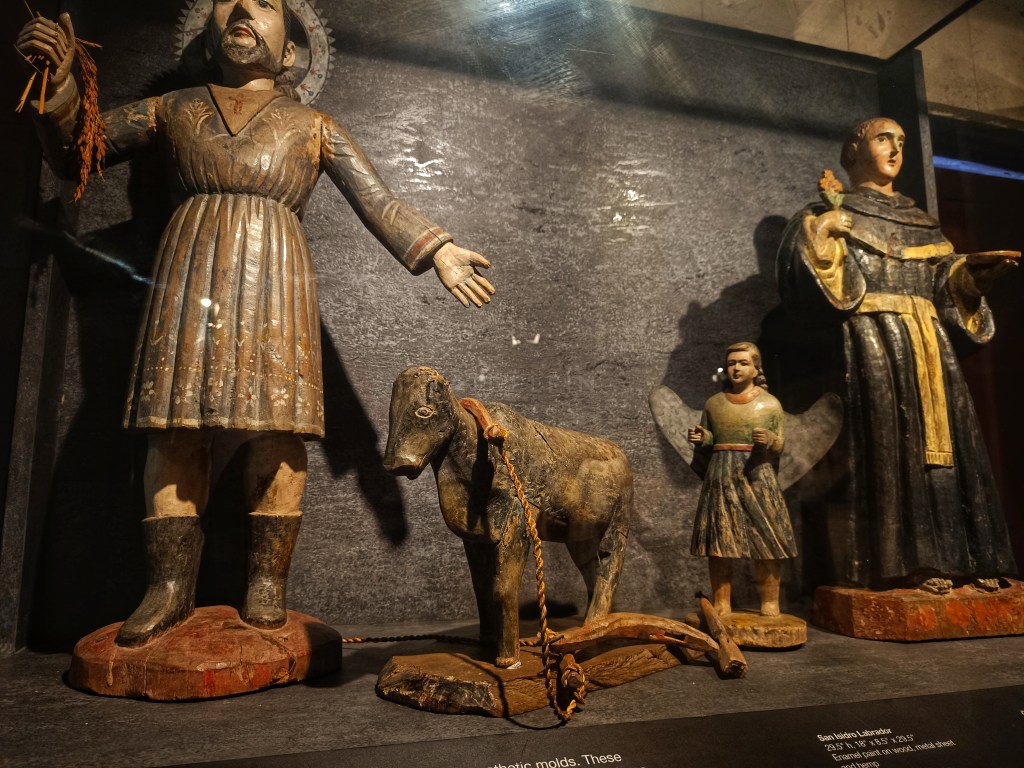
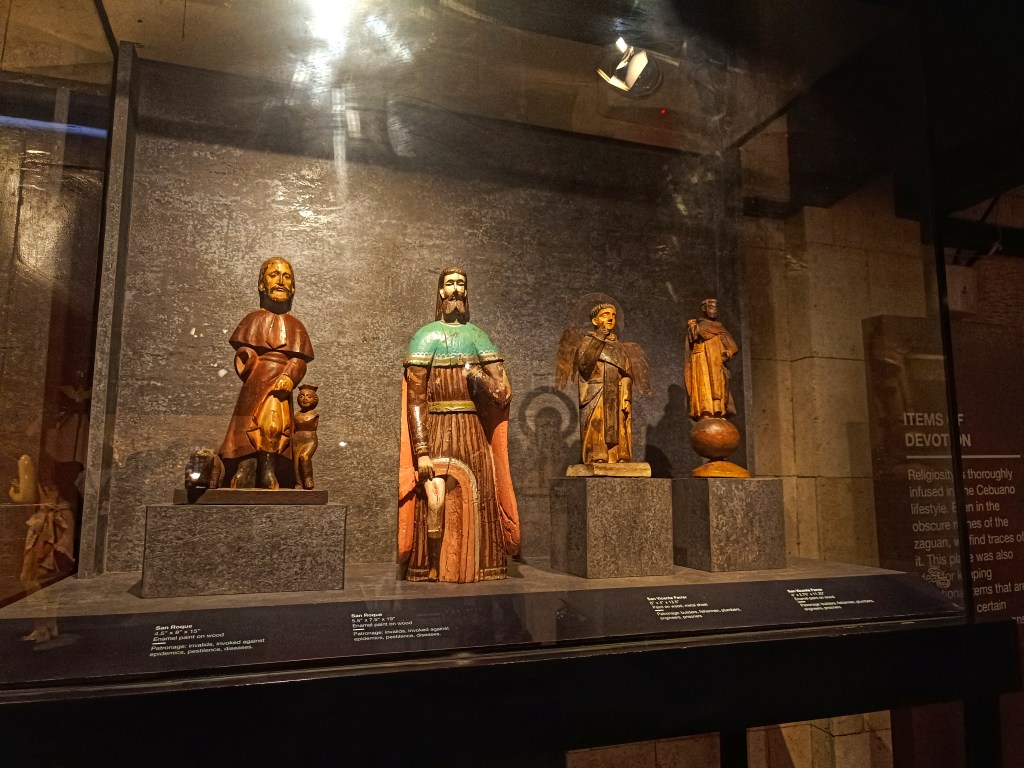
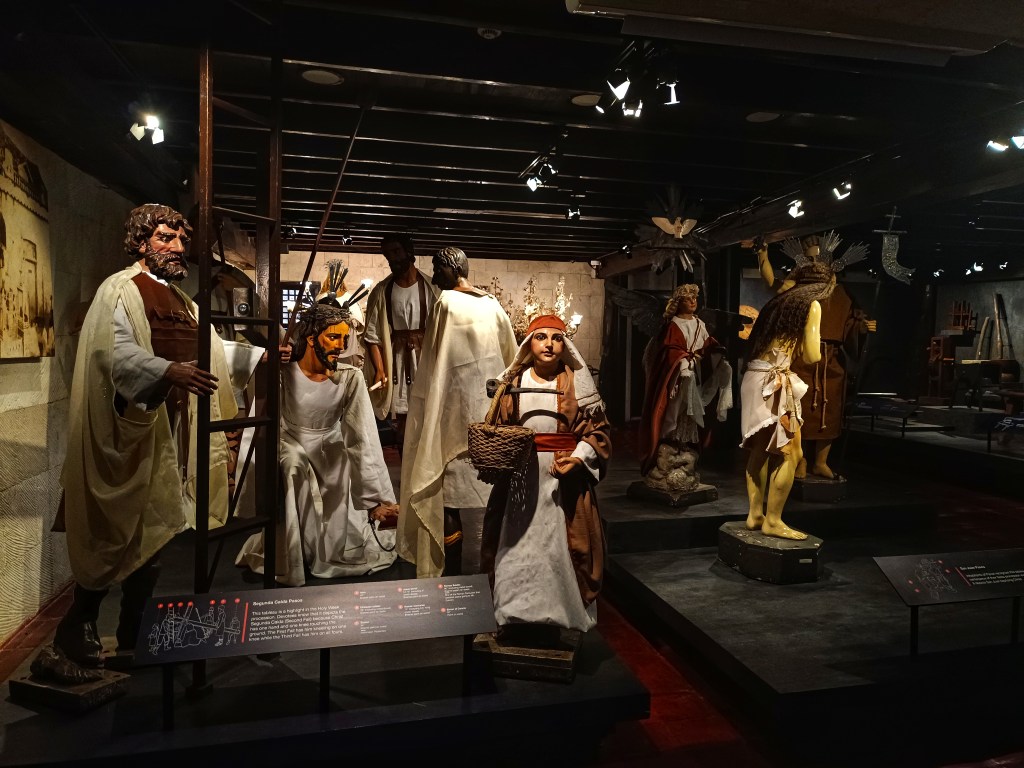
Amazing! So, moving on.
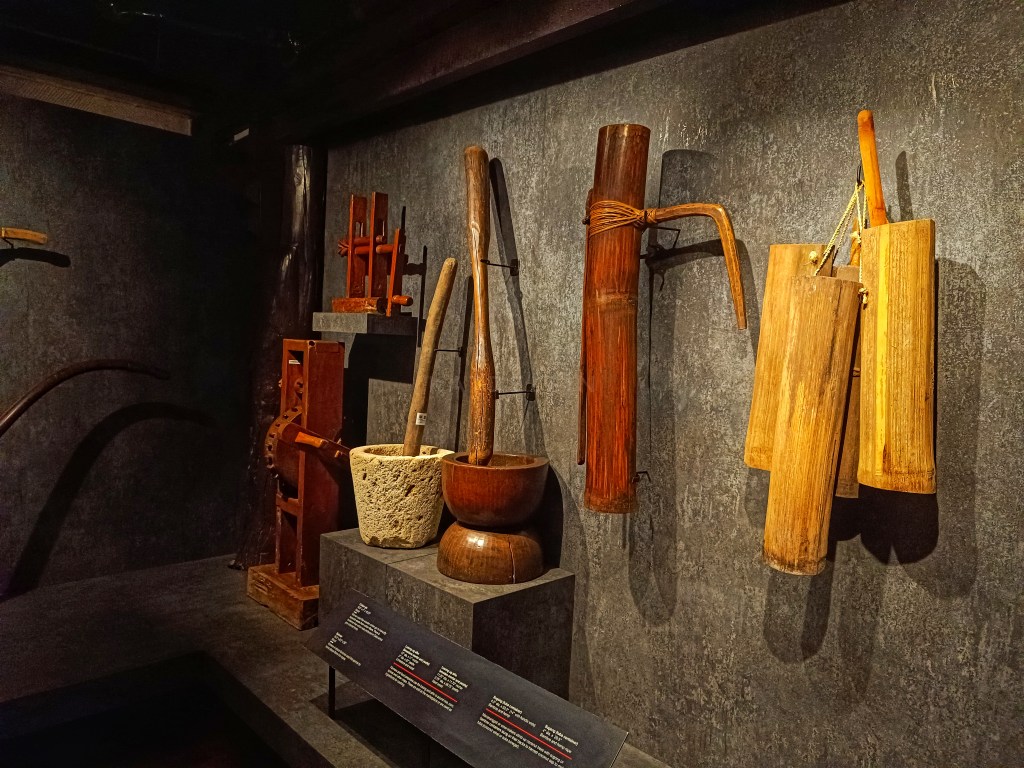
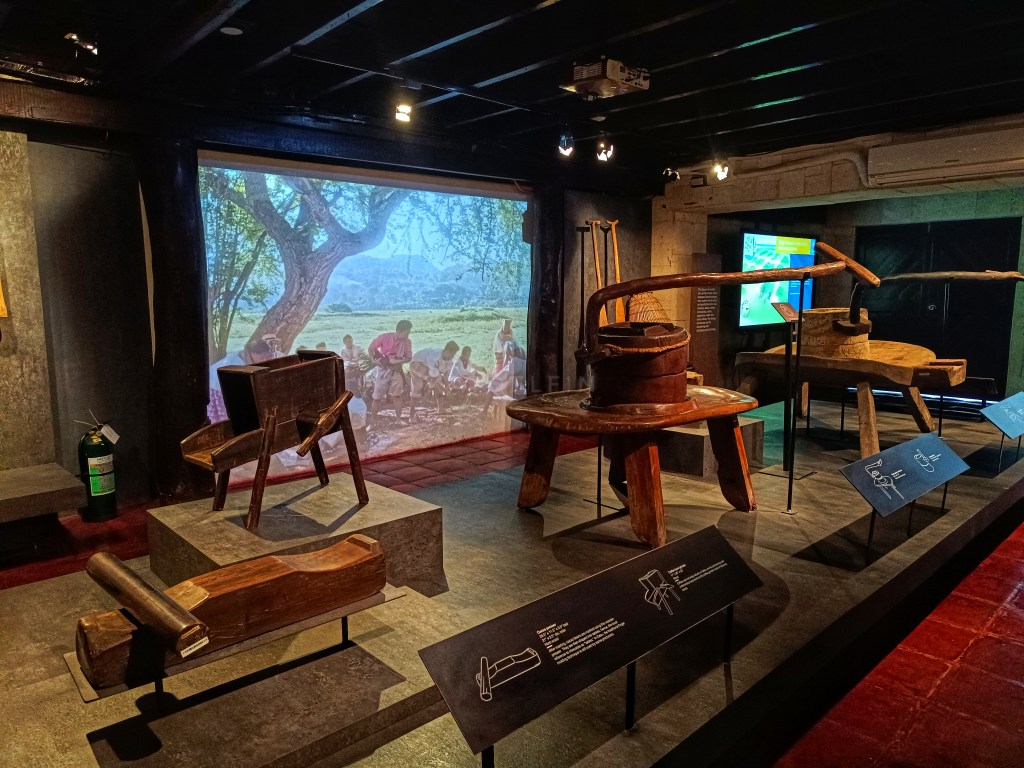
Aside from the large-scale statues, other old artifacts were showcased there like the evolution of grinders, from simple wooden ones to complexly built ones to limestone ones. Common tools used for daily living were also hightlighted.
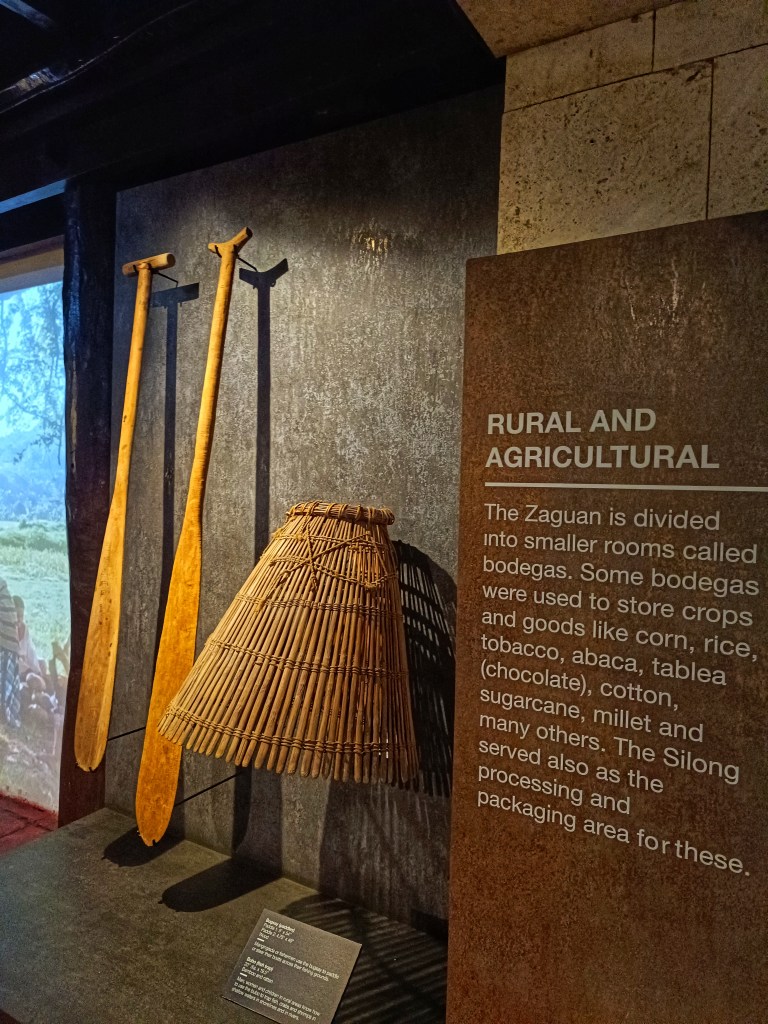
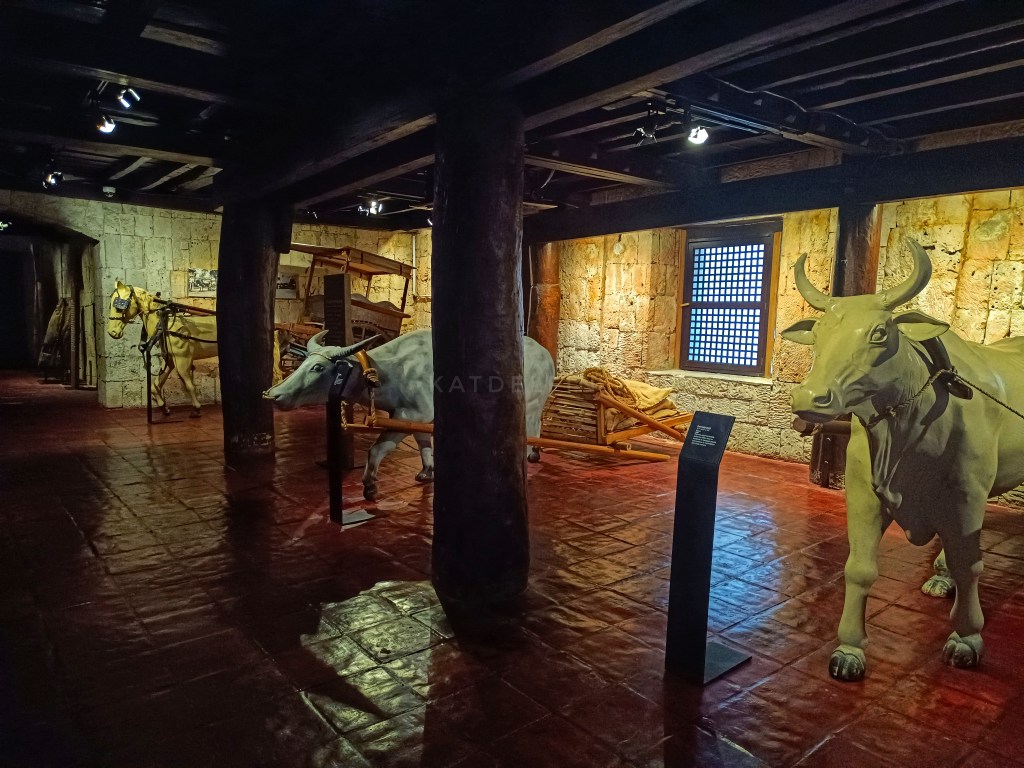
When I entered one of the bodegas, the room where there were large scale models of animal-drawn carriages, I heard wood creaking somewhere. It was quite dark, a bit eery, if I must say so. The light was only enough to spotlight the artifacts in the room. I hyperventilated a bit. There was only me, the creaking sound, and a large wooden door ahead. I kept thinking maybe I just have to push the door and I’d enter another portion of the house?
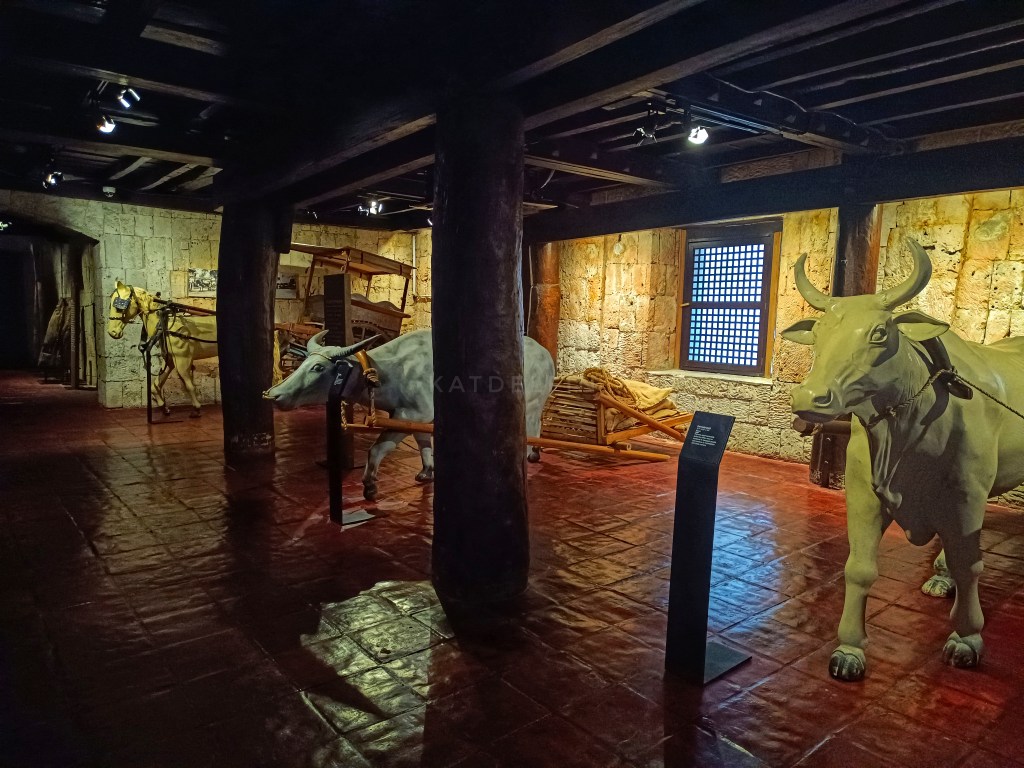
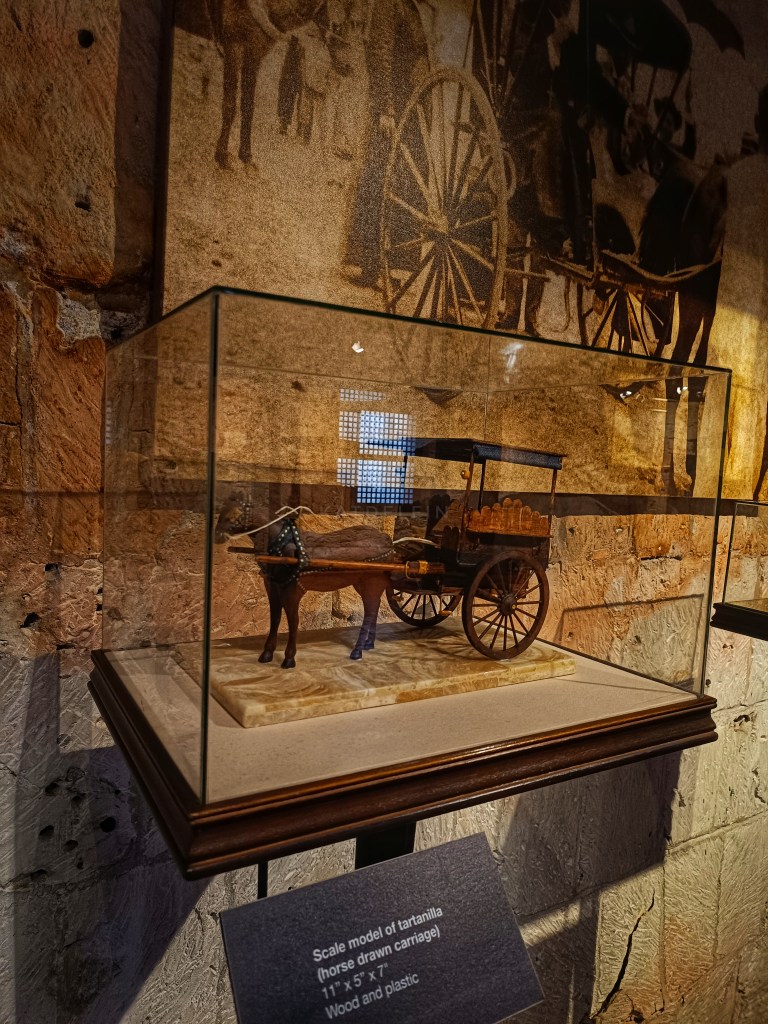
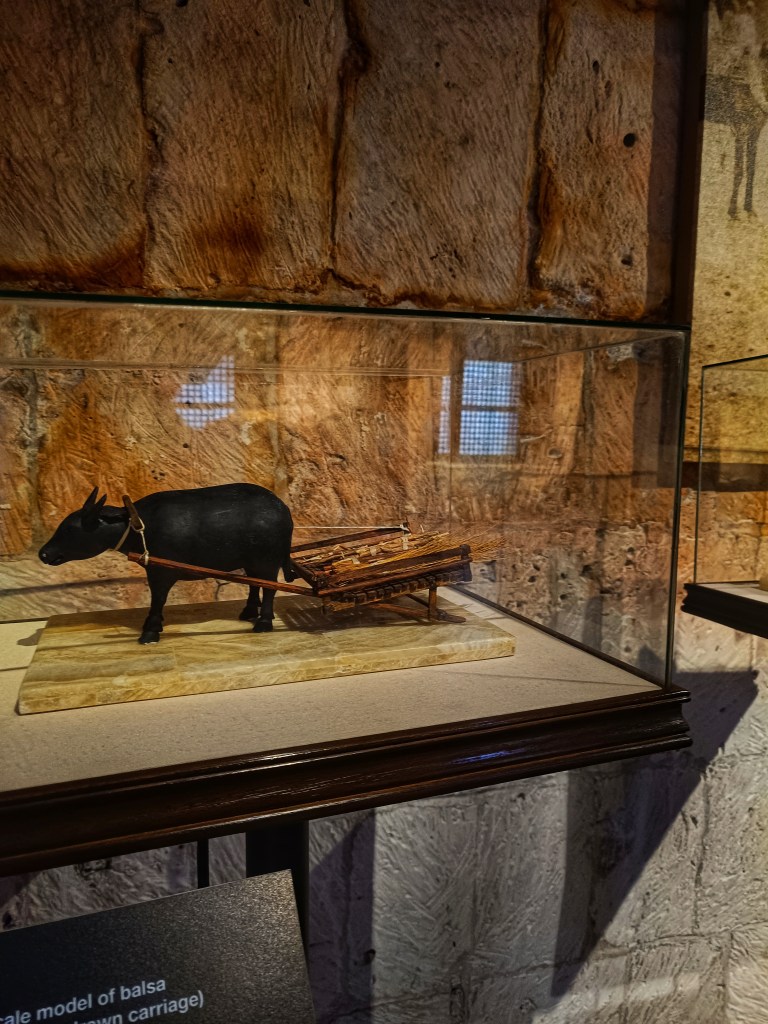
So with the remaining spark of courage I have, I swallowed hard and started walking to the end of the hall. I was so focused on the wooden door that I missed seeing the stairs to my left. I was only able to notice it when I heard voices that finally took my attention.
The breath of relief I had when I saw a mother and her son walking down the stairs. I smiled awkwardly at them and did my usual bob of the head as a greeting. Grabbing the sling of my bag for emotional support, I walked a step, or two maybe, for what they call Descanso, a part of the house where visitors could relax or chat before heading upstairs.
The descanso featured a wooden bench at a corner and large windows overlooking the garden outside. As there wasn’t anything to see here, I went upstairs where the main rooms of the house are.
And before I proceed any further, let me just get this thought out of the way—I LOVE LOVE LOVE ANYTHING THAT GIVES ME A GLIMPSE OF THE OLD TIMES. I always look at them with awe and wistful longing. Like, these things existed before. How amazing is that?
Anyway, (three claps to bring focus to the present), going back, (ahem!) upstairs was where the Master’s Bedroom, Couple’s Bedroom, Chapel, Library, Dining Area, Private Sala, Bathroom, Kitchen, and the Azotea can be found—and some visitors.
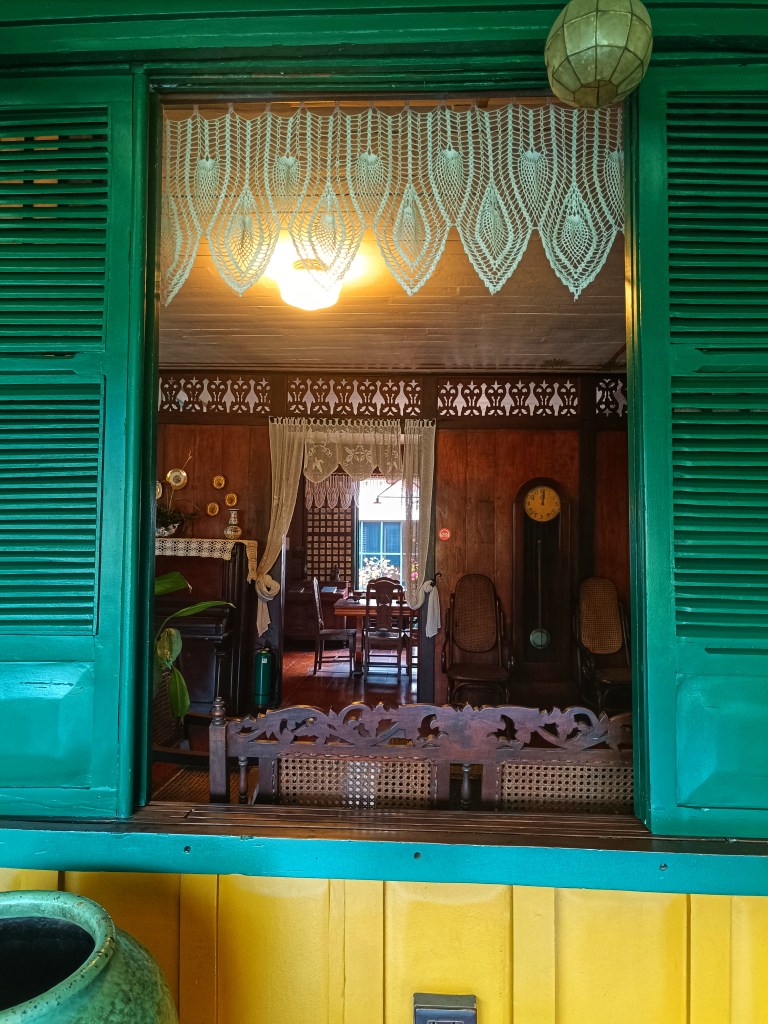
In between the spaces were beautifully carved calado(s), they’re decorative wooden panels used to divide rooms. For rooms that have it, connecting the upper part of the wall to the ceiling, it doubles as a way to improve ventilation and increase light coming into the rooms. We rarely have those in modern houses nowadays since privacy is a must (sigh in old times).
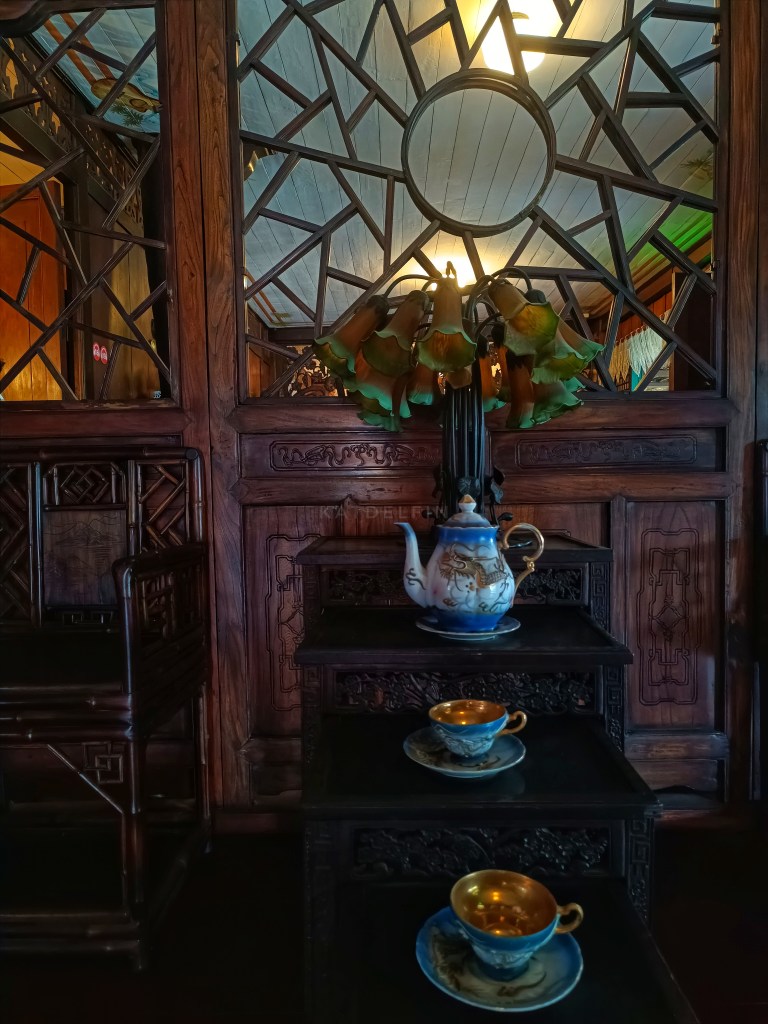
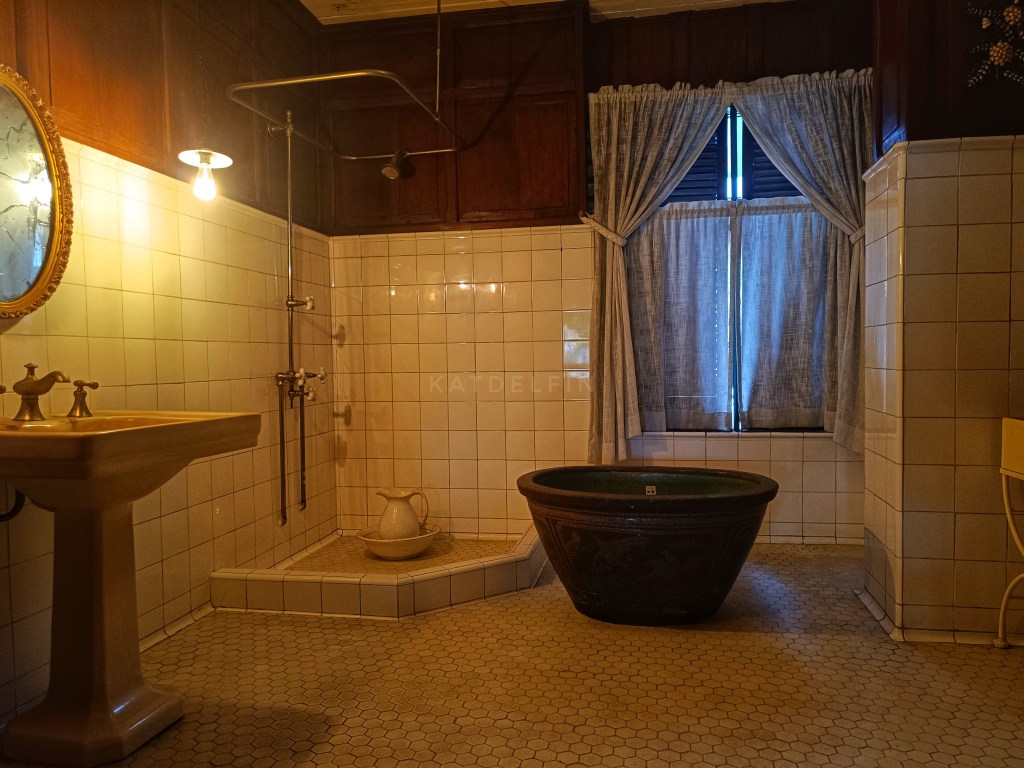
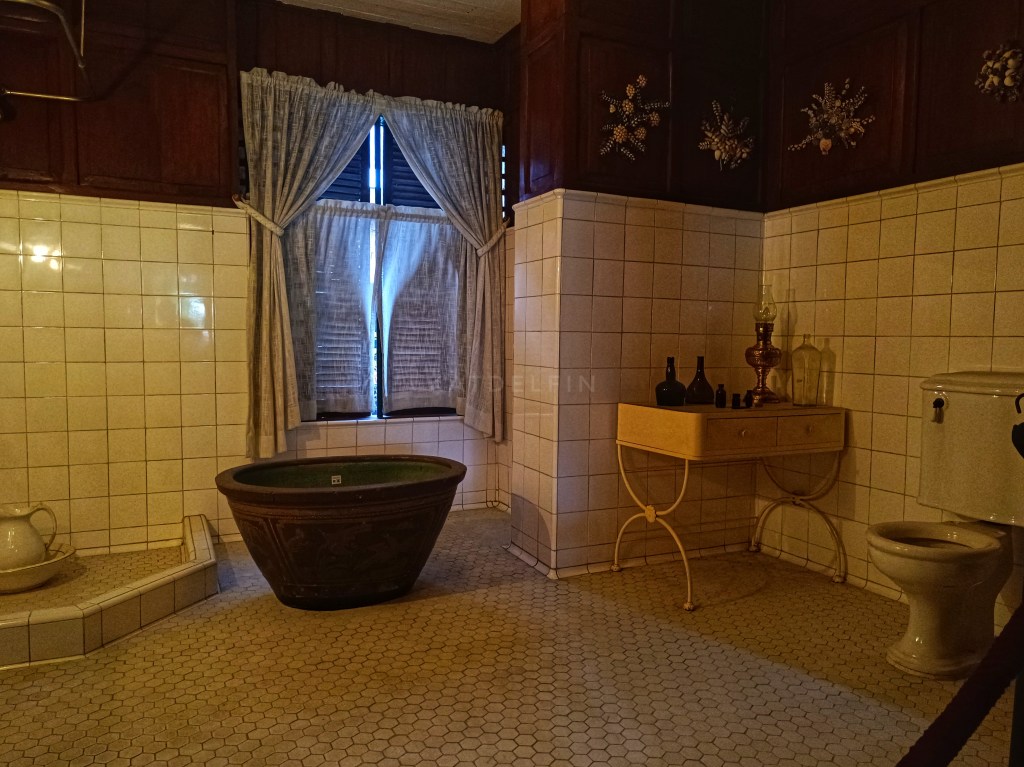
I wasn’t able to take a photo of the bedrooms because somehow, I get creeped out by old beds and mirrors. You can blame it to all the horror films I saw when I was little set at old houses. So yes, I skip the mirrors. I don’t even look at them when I pass by (Insert awkward laugh like it’s normal as I divert my eyes to the side). It’s also the reason why I only peeked inside the bathroom—mirror. And also because I thought it wasn’t allowed to go inside.
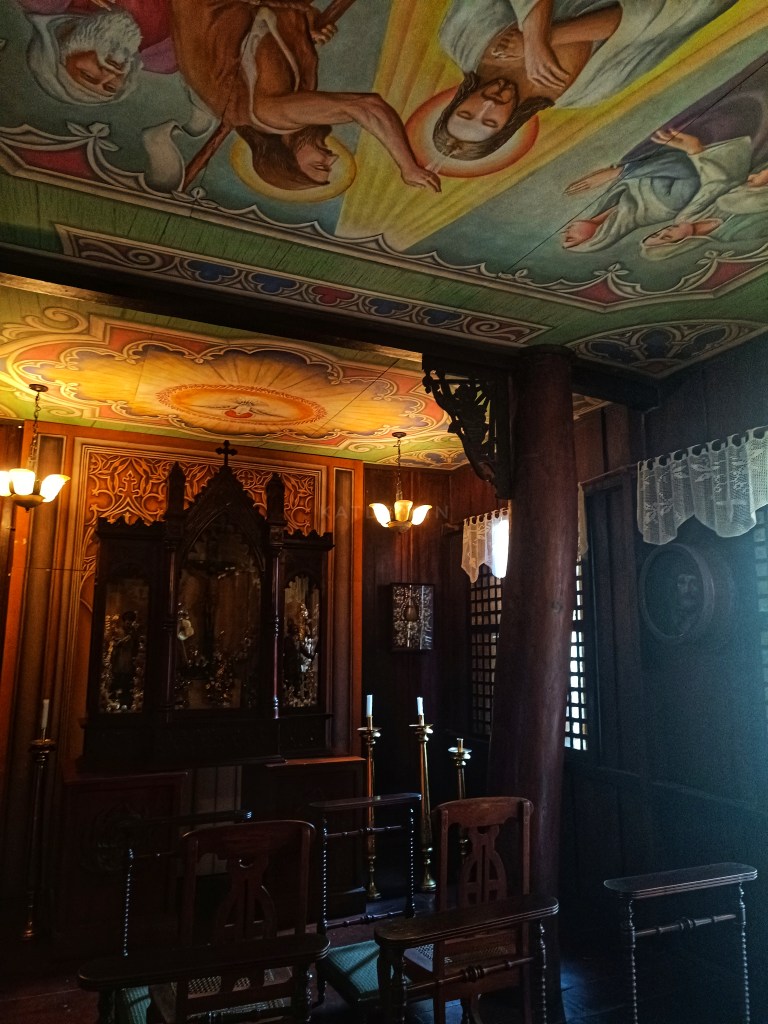
I did, however, entered the chapel. Since it was home to Bishop Gorordo, the house has a chapel where the bishop used to hold private masses. I’m just not sure if the paintings on the ceiling was already there or was added when the house was renovated.
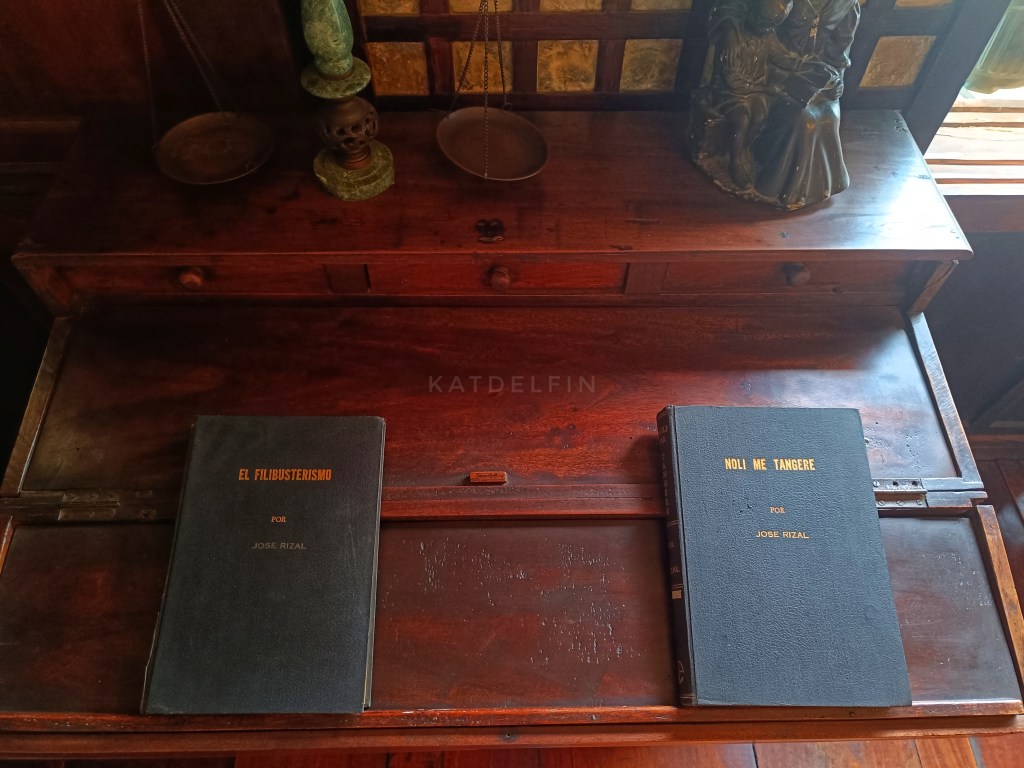
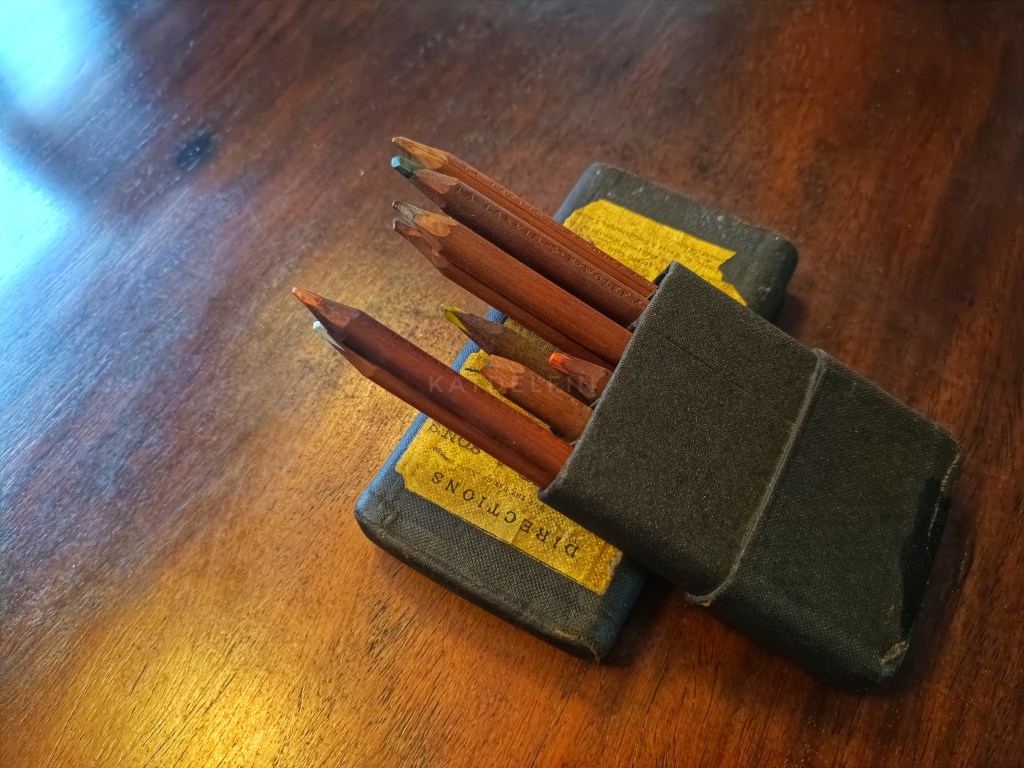
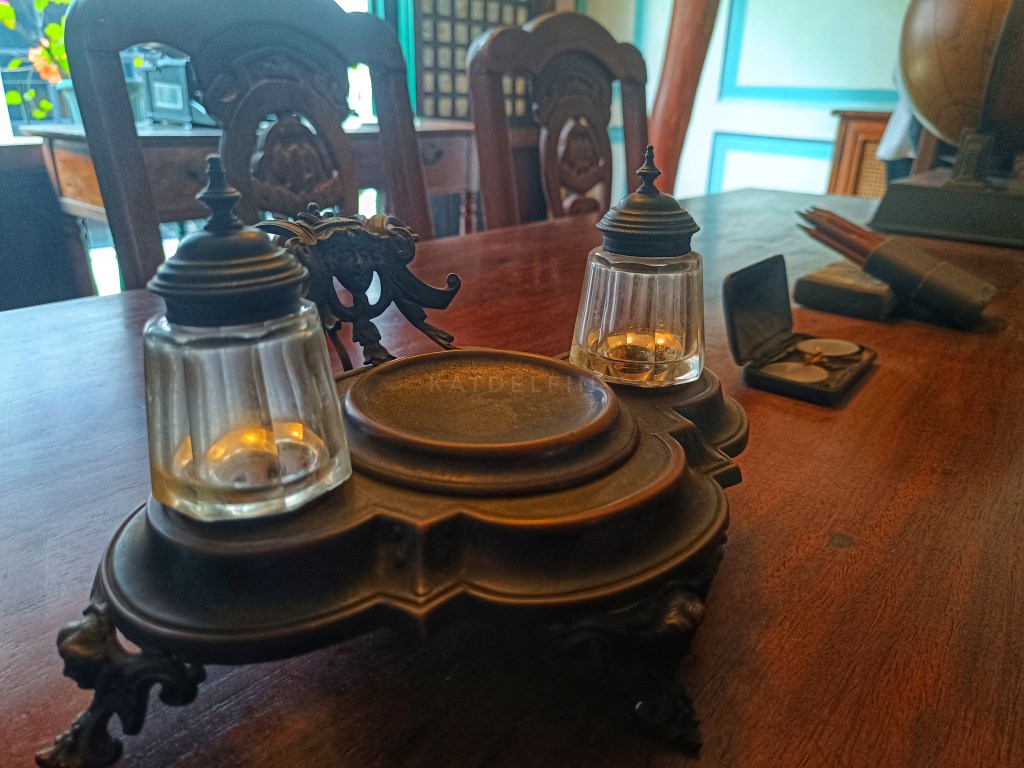
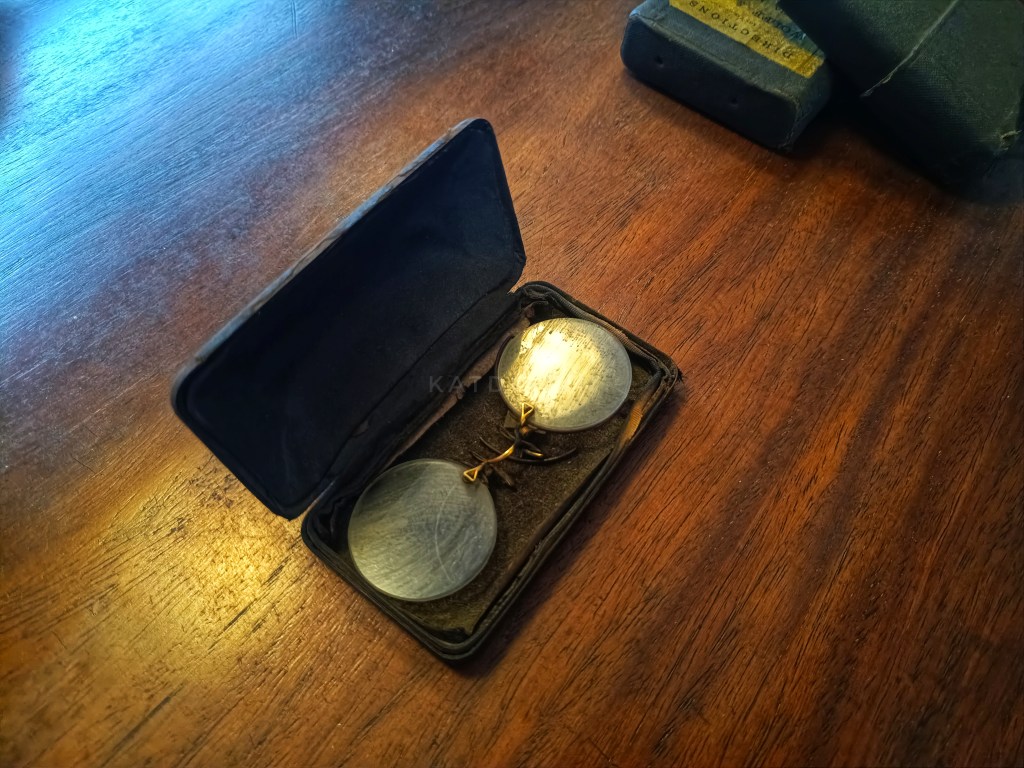
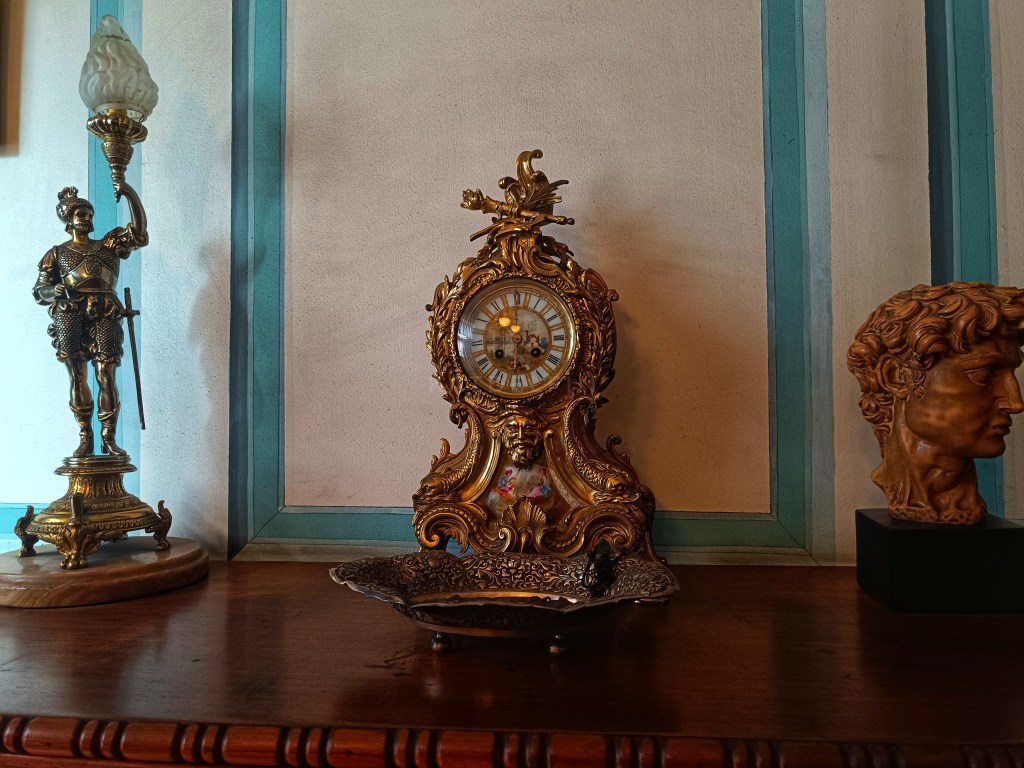
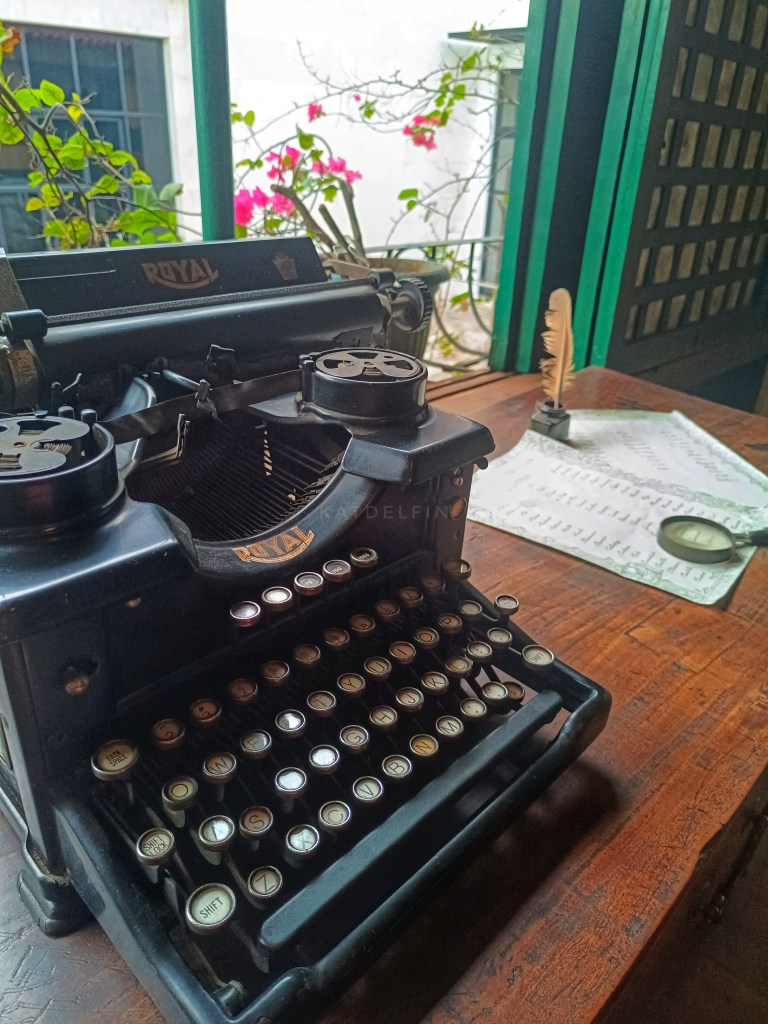
The next room I entered was the library. There were copies of Jose Rizal’s Noli Me Tangere and El Filibusterismo at a table next to the cabinet of other old books and an old typewriter nearby; there’s spectacles on the table in the center, next to the box of old colored pencils and something used to hold maybe ink for writing. Cogsworth was also there at another cabinet by the wall (wink, wink).
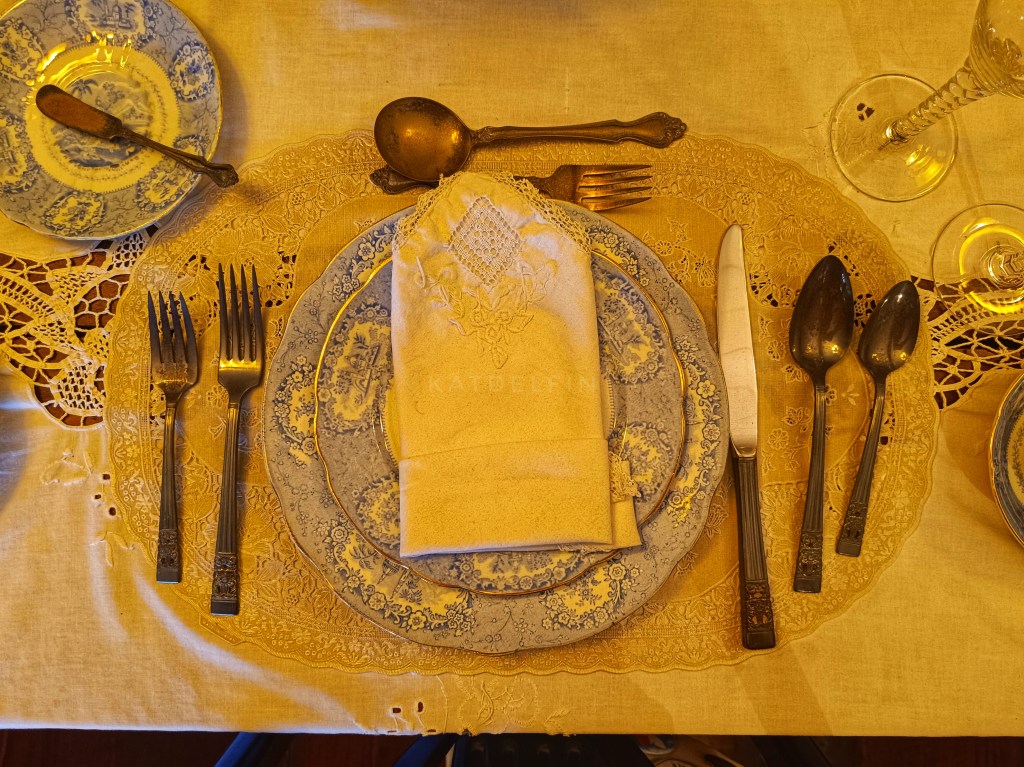
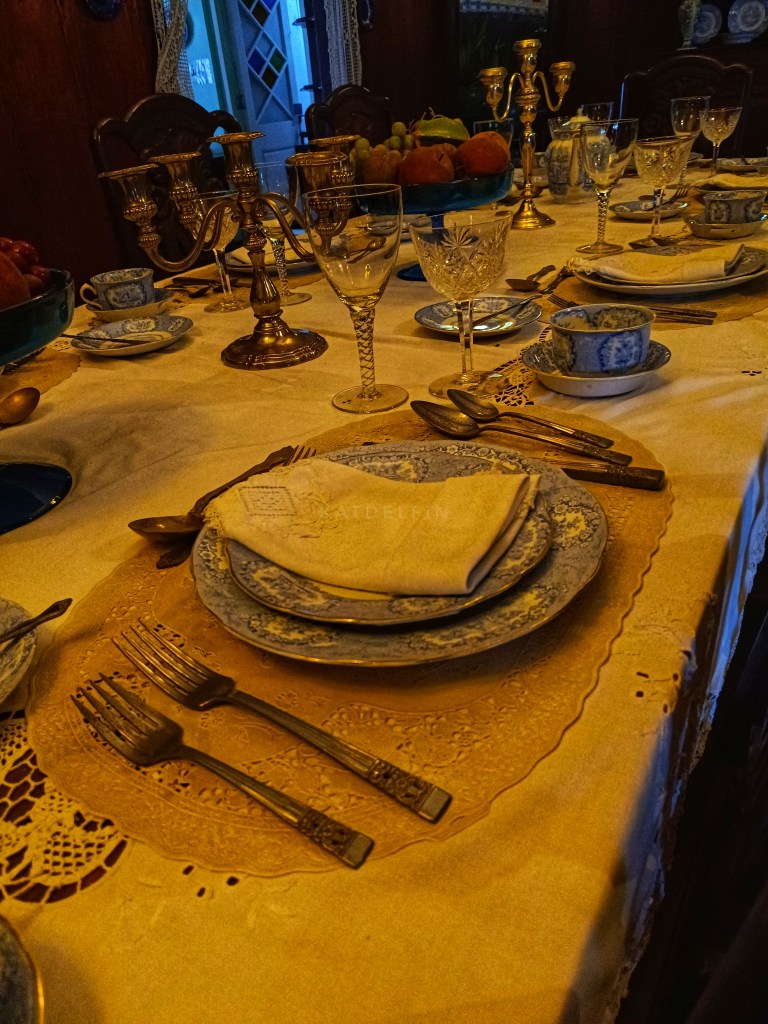
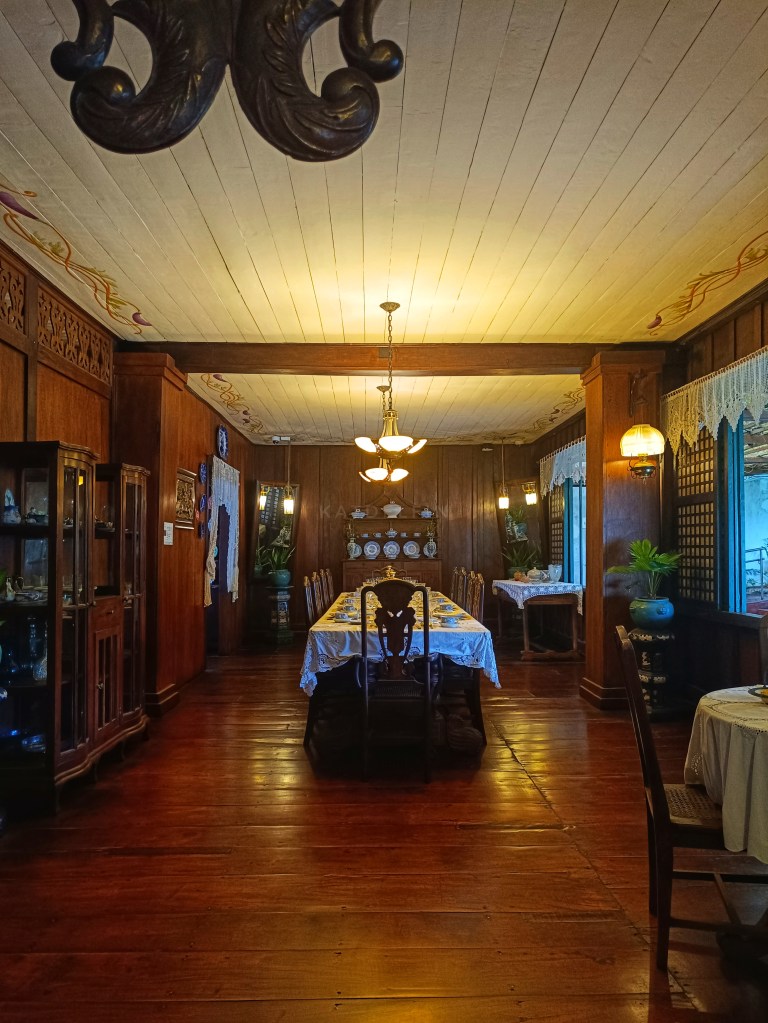
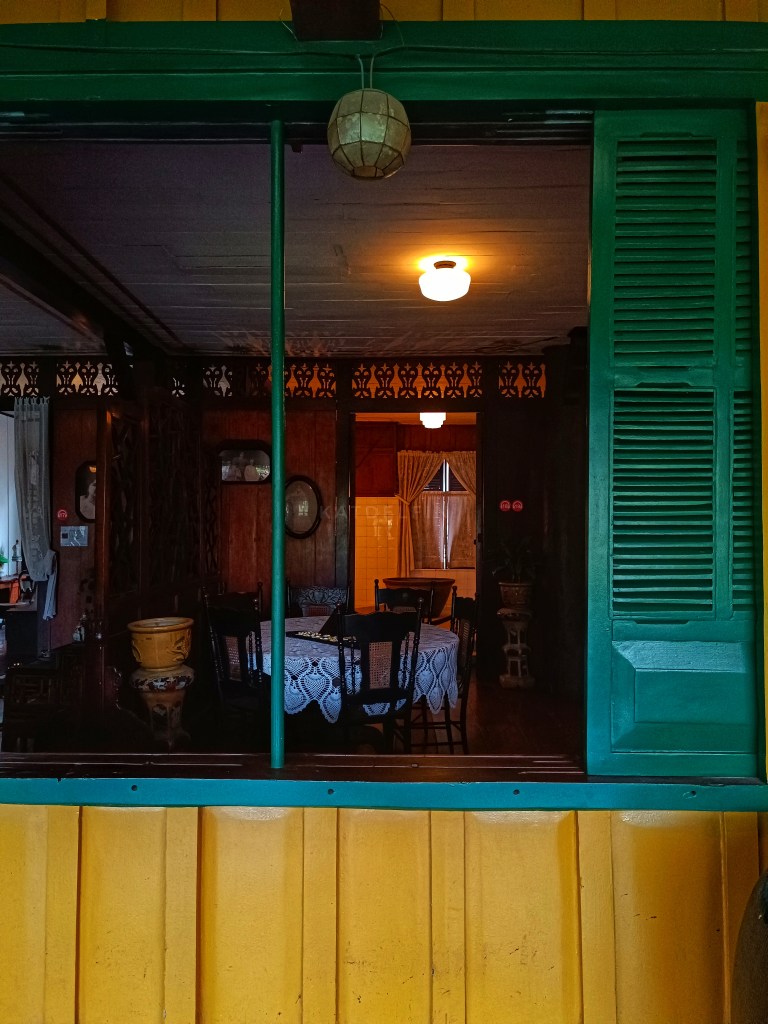
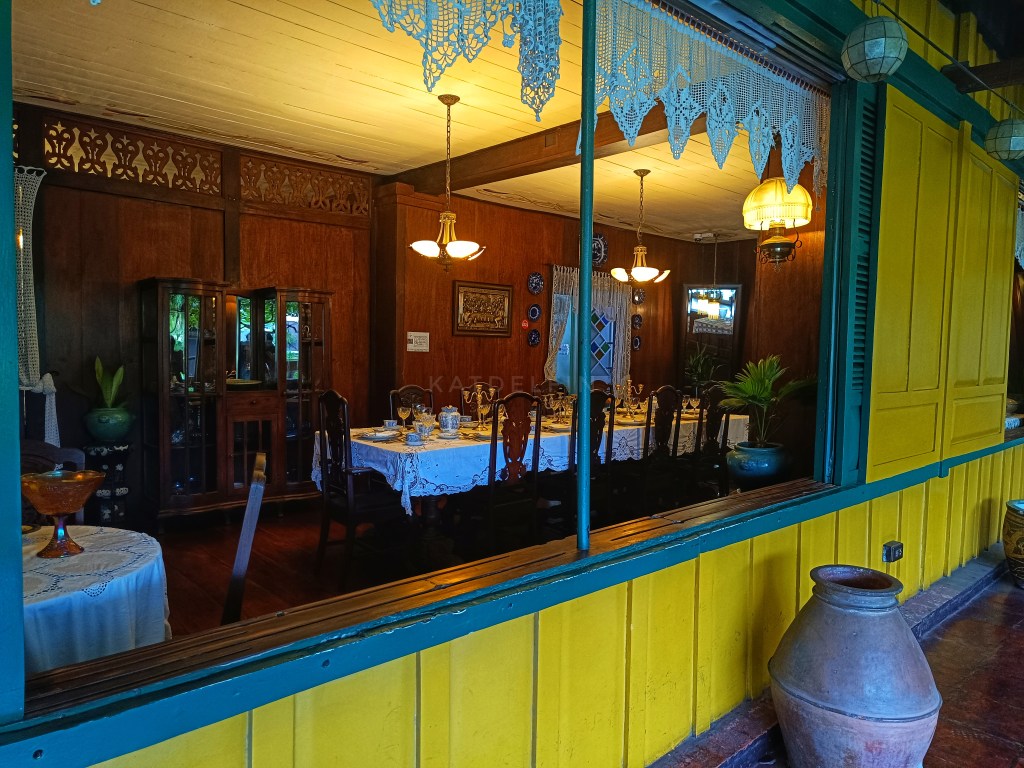
Next space was the dining area. The spread of glass, ceramic, and silver wares, paired with beautiful laced napkins, was a feast to my eyes. The beauty—speechless.
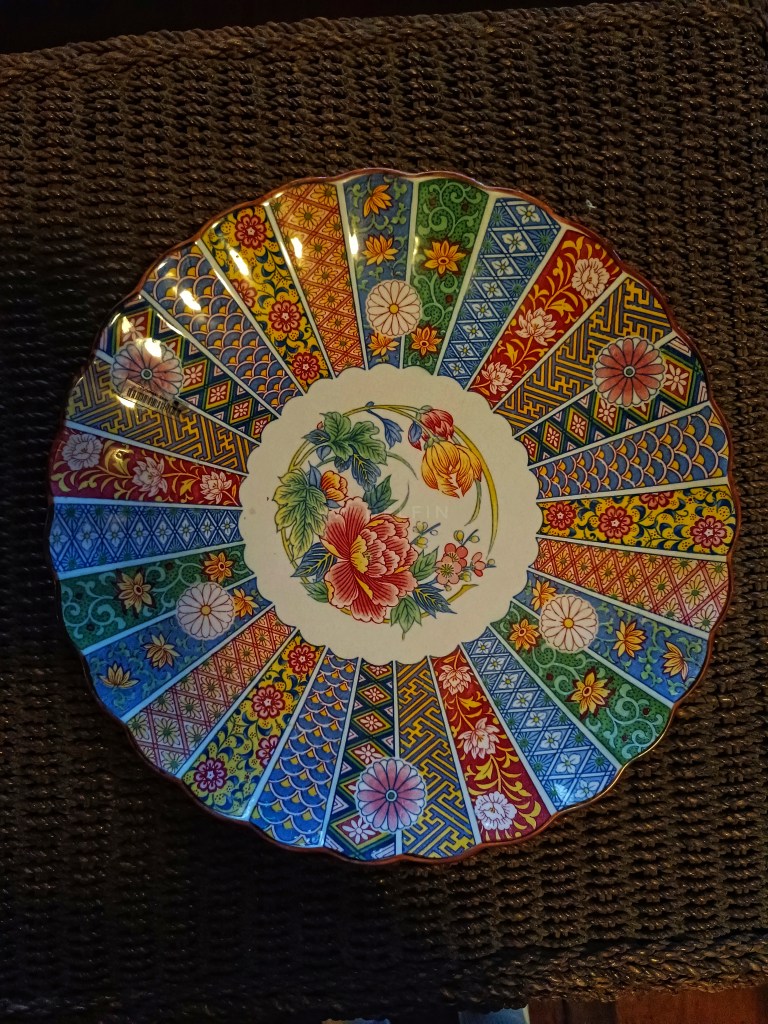
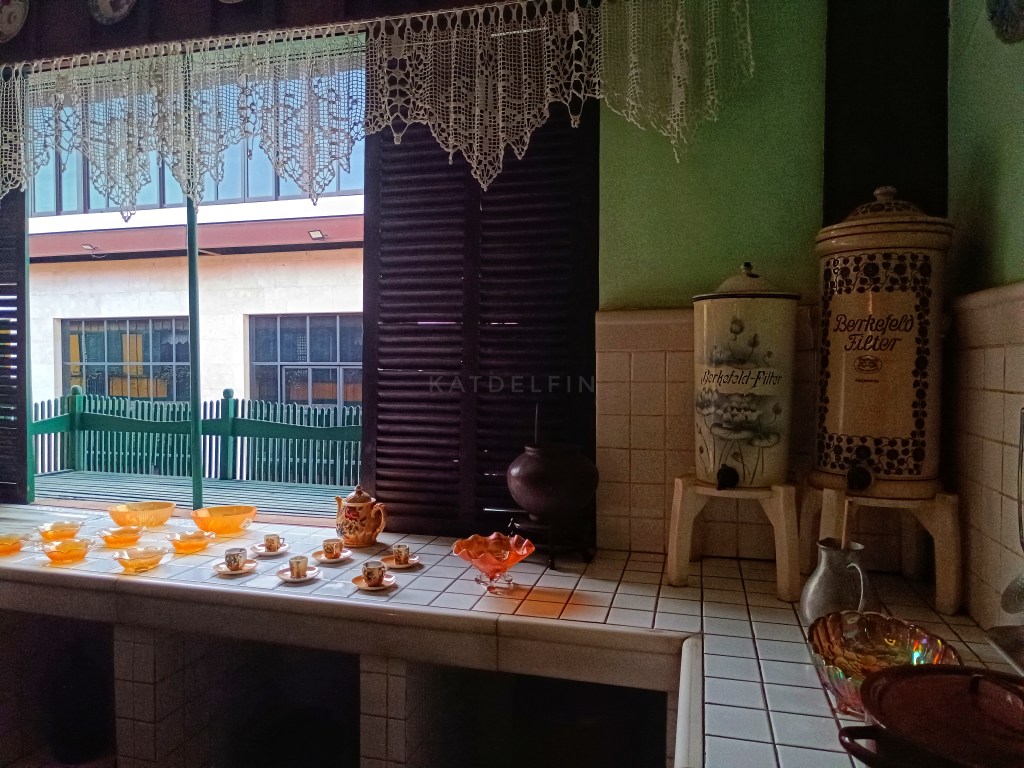
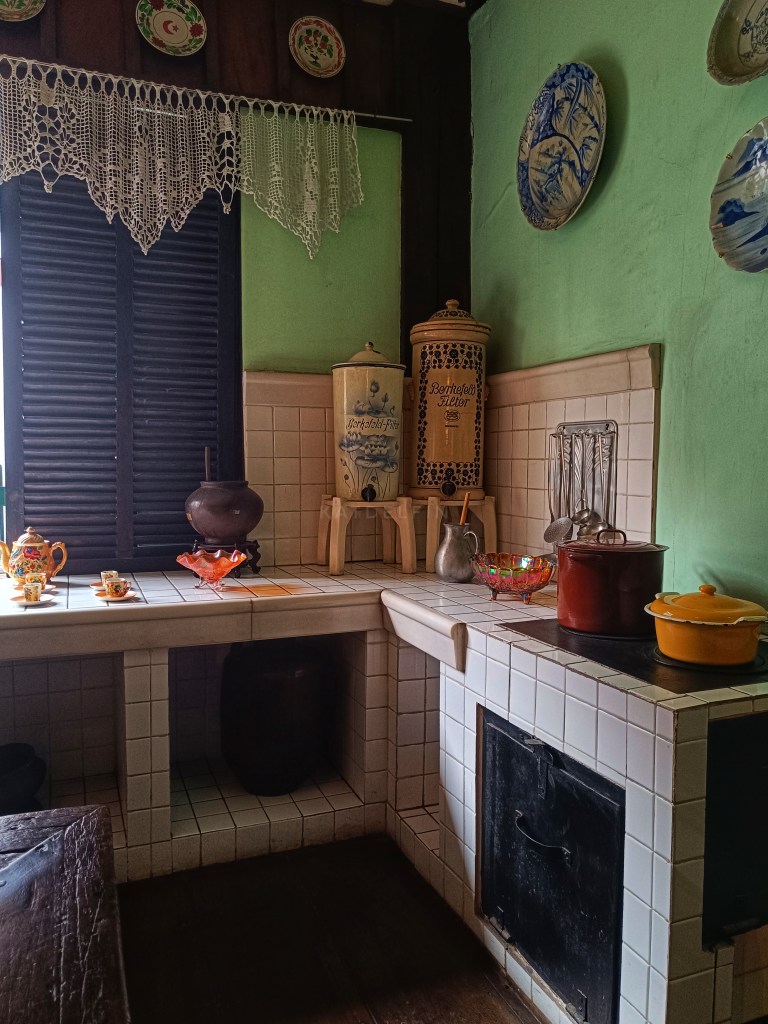
(Three claps again to bring us to the present) Next! Kitchen, situated rather far from the rest of the other rooms, was also full of glass and ceramic wares. They didn’t have modern day kitchen appliances then, and mainly use wood to cook that’s why it’s far from the other rooms. I just did a quick scan of this part of the house and was out soon—the clock was ticking.
I did another quick glance of the whole area before heading out the Azotea, it’s part of the house with a flat roof overlooking the spacious garden. It’s a multipurpose open-air space either used for recreational activities, drying of laundry, or other things that needed drying, and probably things that you couldn’t elsewhere in the house.
This was my last stop and I loved how, looking from the azotea, each window directly shows the rooms inside.
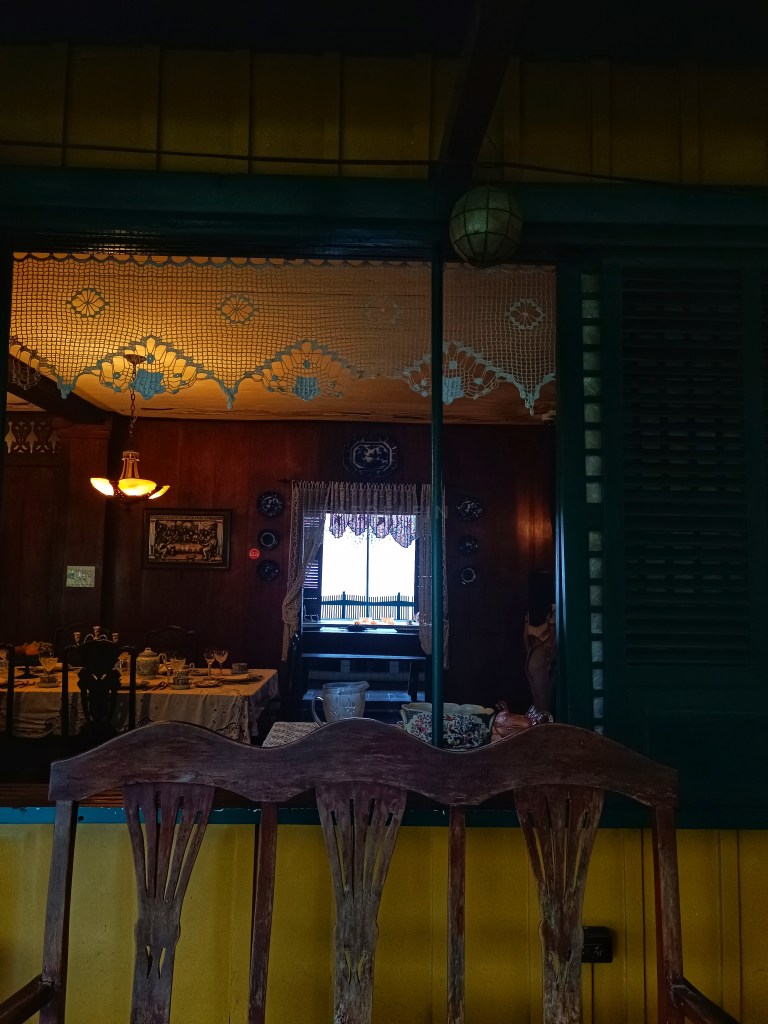
With this, and my confusion on where I should go next to exit, do I head back downstairs or… where? (insert another awkward back and forth as I try to look for arrows), I finally decided to walk to the far end of the azotea where there’s actually a way leading to the souvenir shop. I only bought a wooden magnet with an engraved photo of Casa Gorordo and its name as an addition to my collection then I went down a couple more steps to Bo’s Café where the exit actually was.
I wanted to order iced coffee but me and caffeine in the afternoon would only keep me awake at night.
AND WITH THAT, I went back to where my ride was waiting. Said goodbye to Casa Gorordo feeling satisfied.
Until next time, driftling! Bye-bee!



 Wines & Prologues
Leave a comment