

Have you ever wondered why butterflies were named butterflies? How these winged creatures of different sizes came to be so loved? Now, you see, I’ve read here and there, and to note some heres and theres, in Old English, butterflies were named butterfloege which translates to butter fly. But why?
Sources says that that’s because some butterflies’ color were like butter, and because most of them are seen in meadows during spring ang summer butter season. Some says because their droppings look oddly like butter. Weird, but fascinating, right?
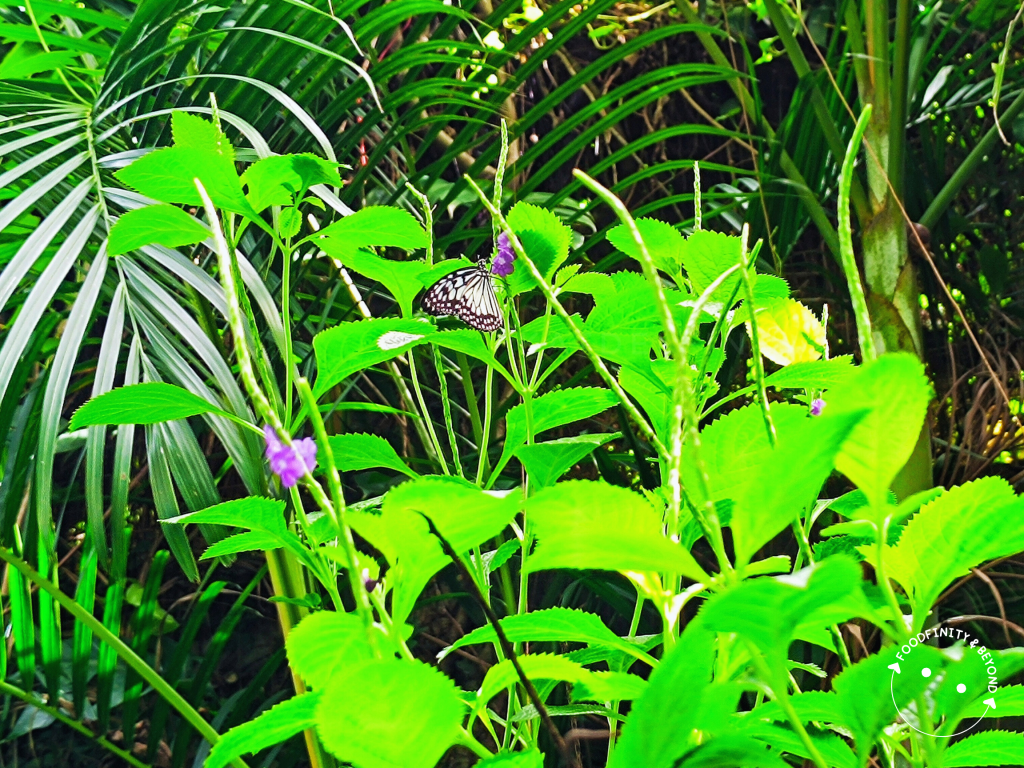
For those people close enough to know me, when it comes to animals I’ve always been outspoken of my interest with aquatic animals with my fave slogan of, “Save the Tortols (a funny way of me pronouncing Turtles)!” and our very dear, and very hardworking pollinator bees. And aside from a number of land animals that I love learning about, butterflies, to be honest, although beautiful and fascinating on their own, takes up little space in my head–UNTIL!–until I ended up in the home of the late Prof. Julian Jumalon, in Basak, Cebu City.
Months before my travel, I’ve listed a few places I wanted to see and when I realized that there were actually a few museums, parks, and old historical houses in Cebu, I thought, why not make this a learning experience on top of my travel being my birthday trip? And that’s how I came to this quaint and lush green home.
Specifically located in Julian N. Jumalon St. (former Macopa St.), Basak, Pardo, Cebu City. The Jumalon Butterfly Sanctuary, Museum, and Art Gallery is considered as the largest butterfly sanctuary in the Philippines. Boasting a grand collection of butterflies and other insects.
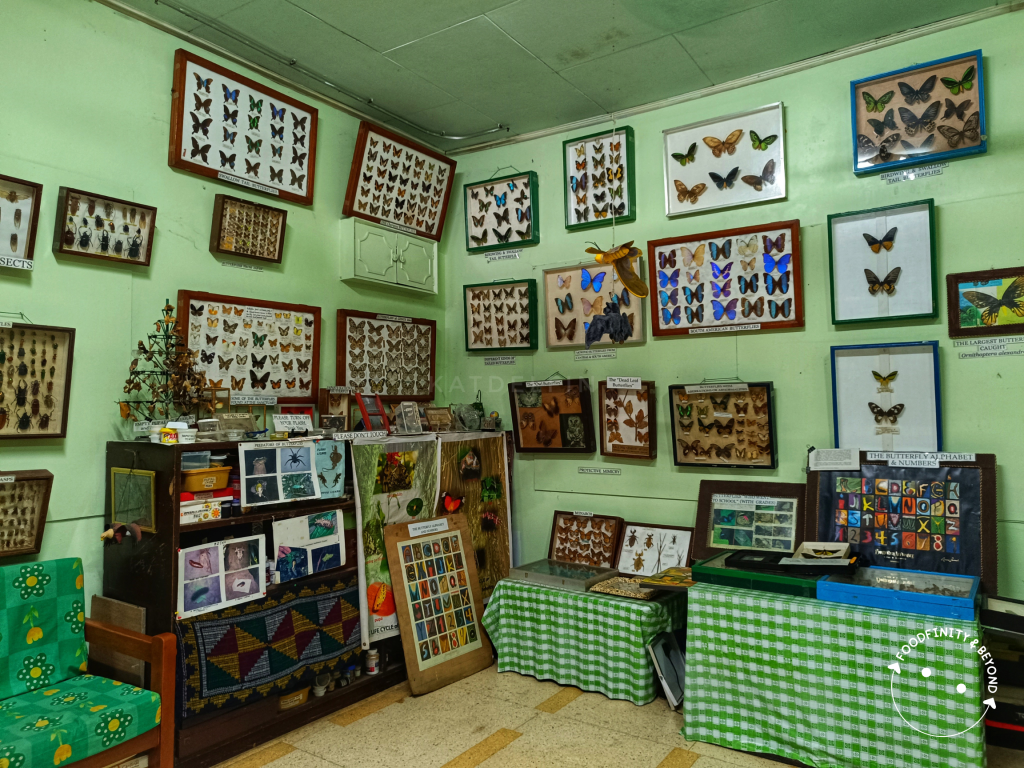
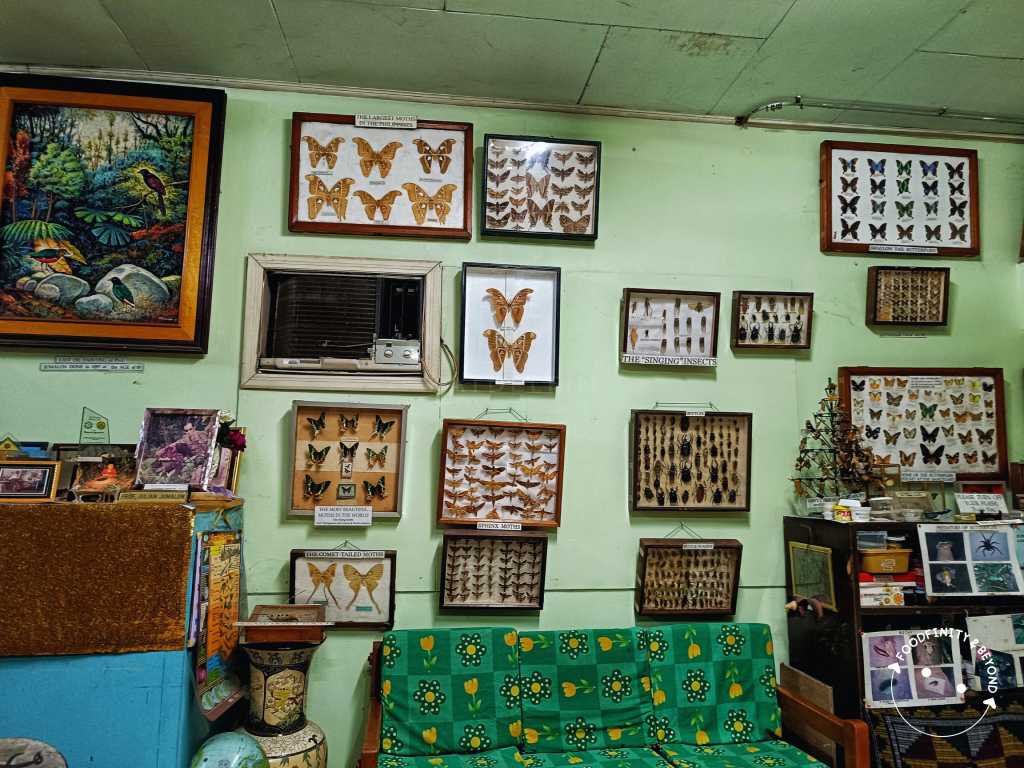
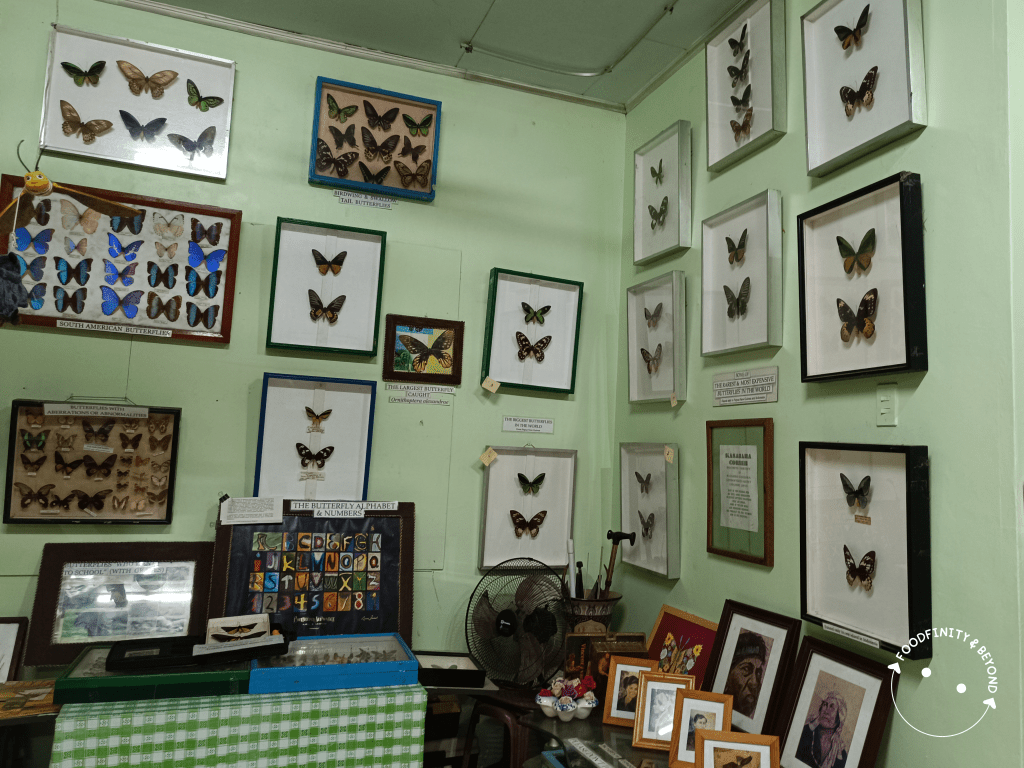
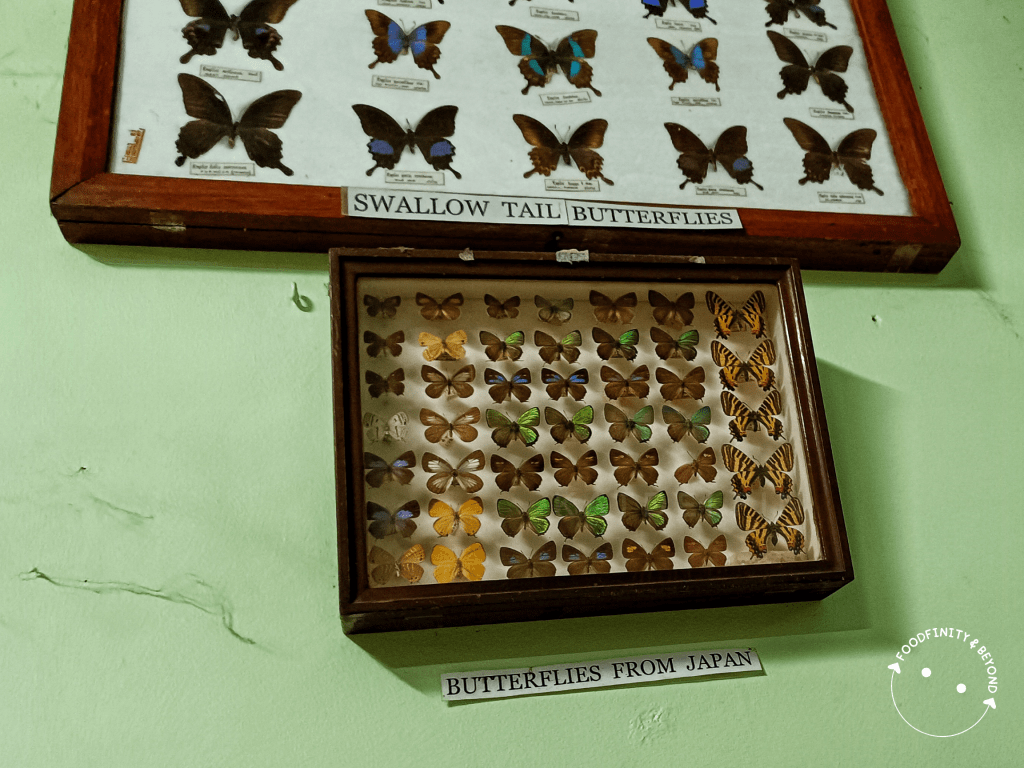
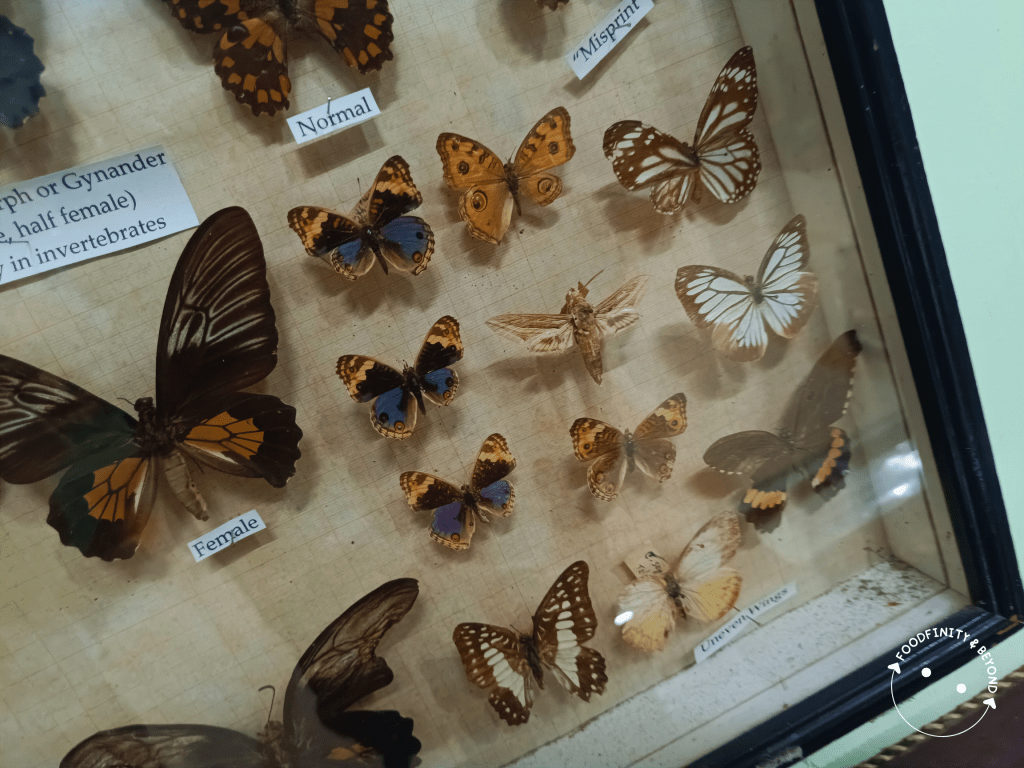
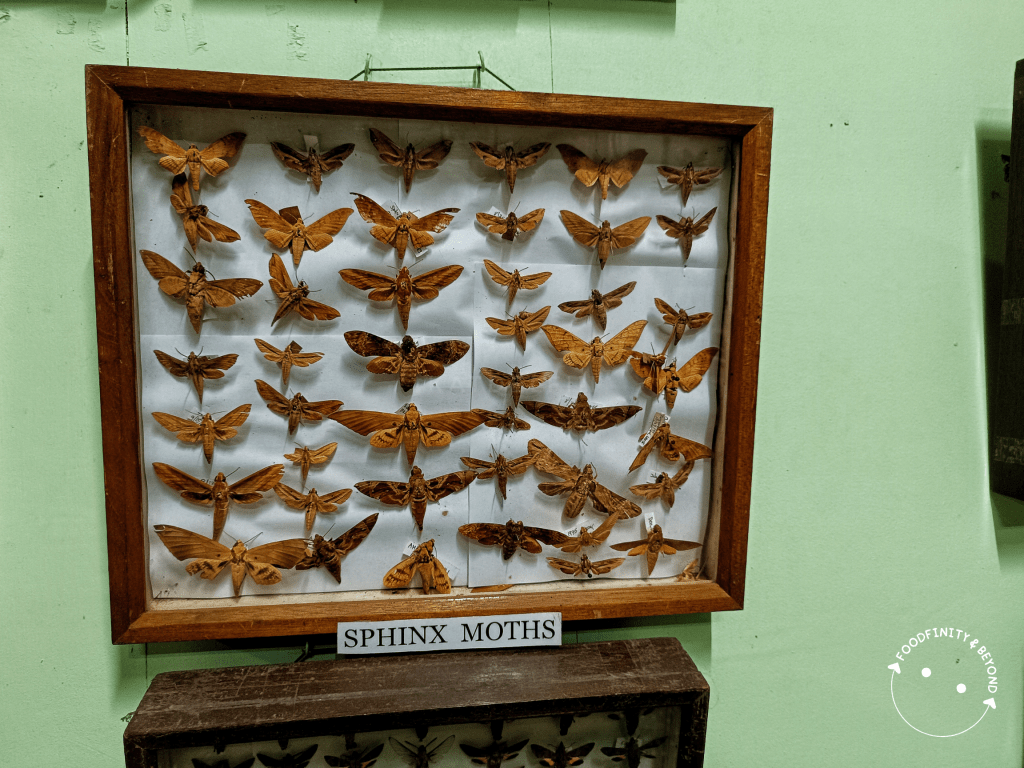
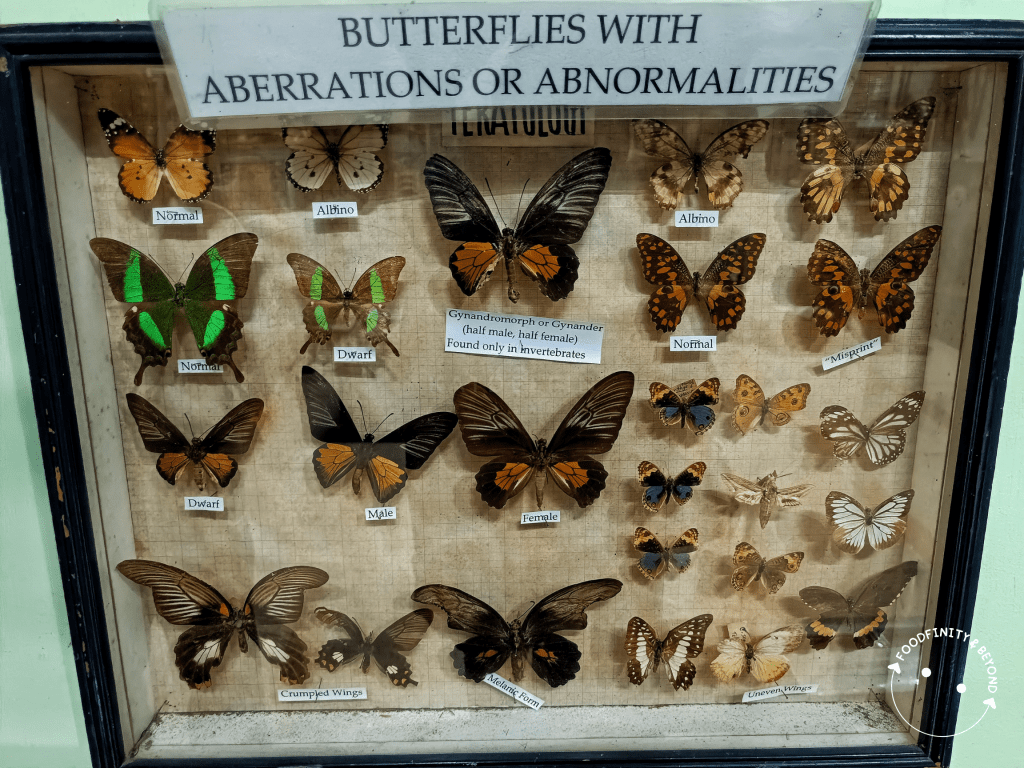
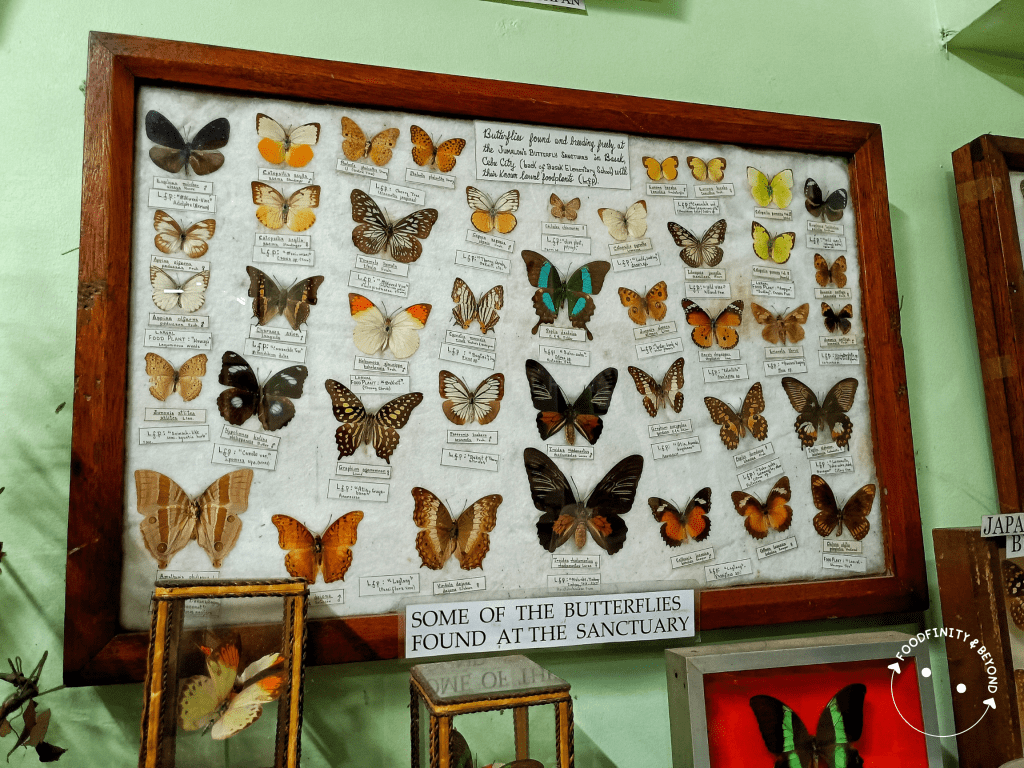
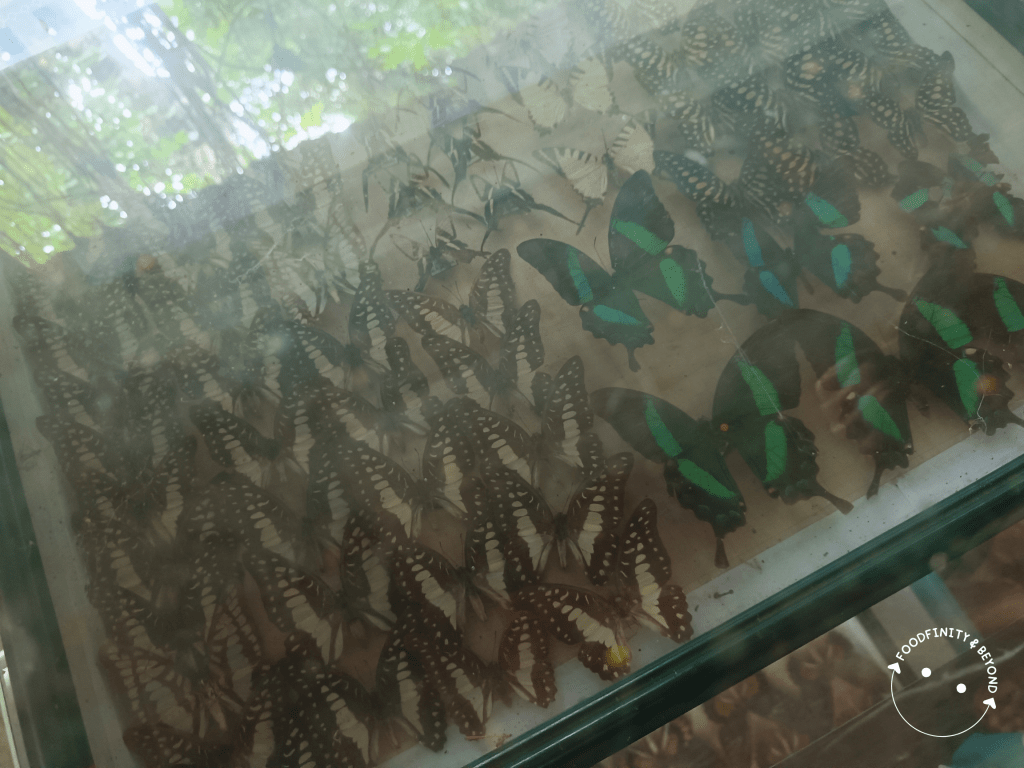
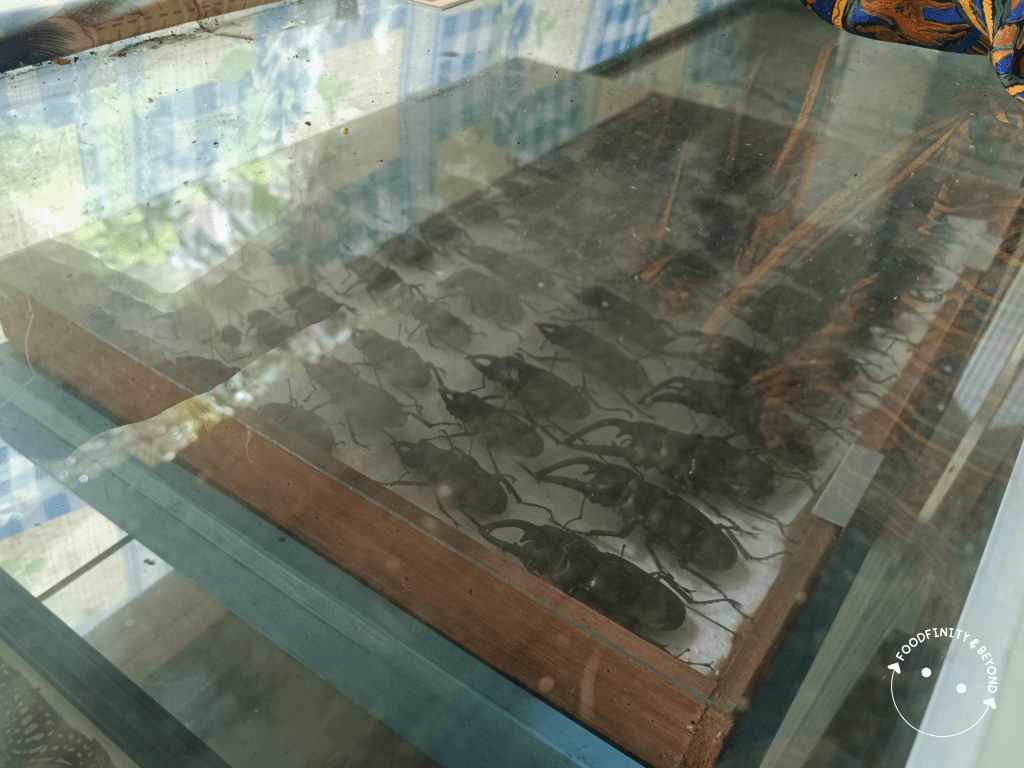
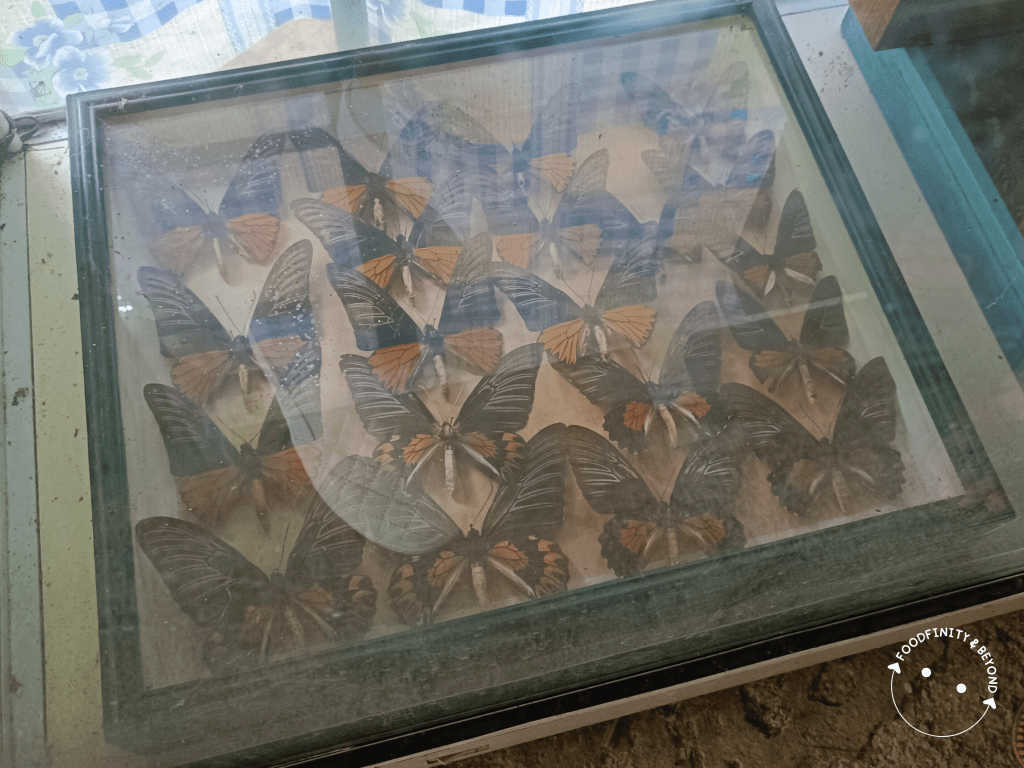
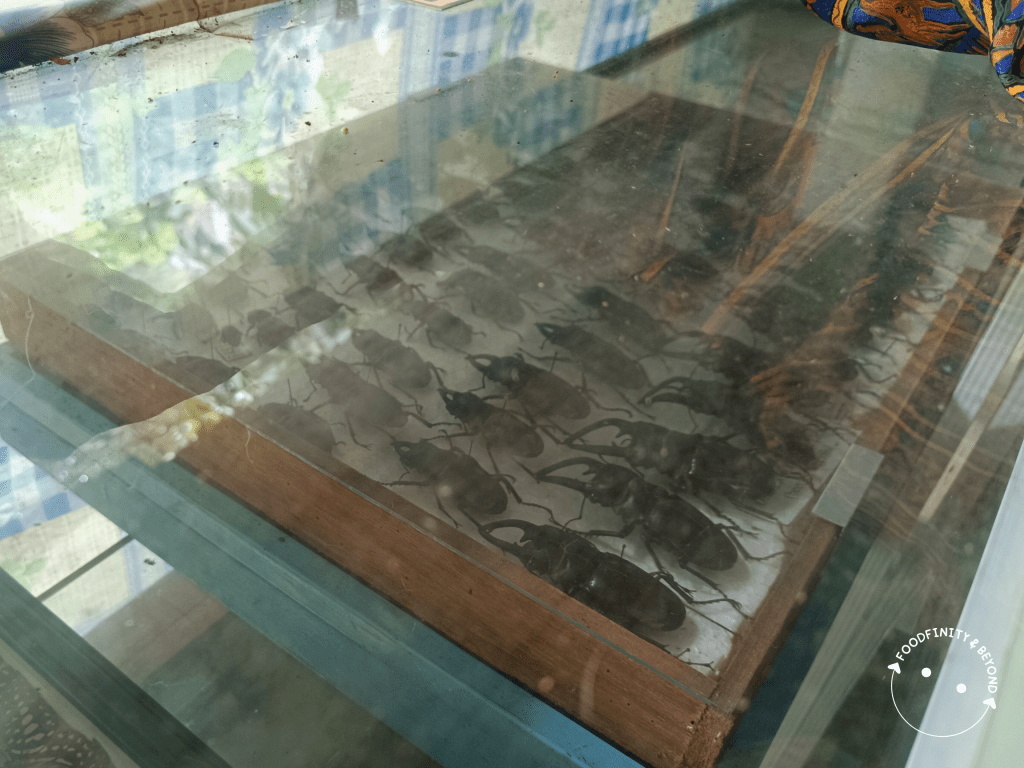
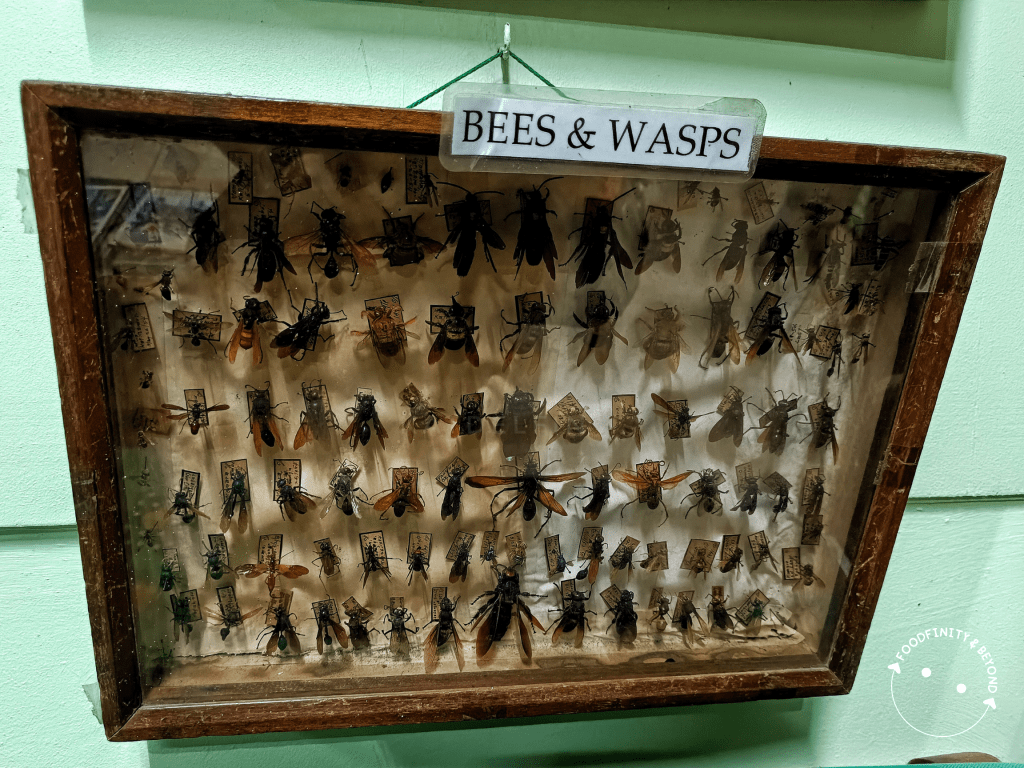
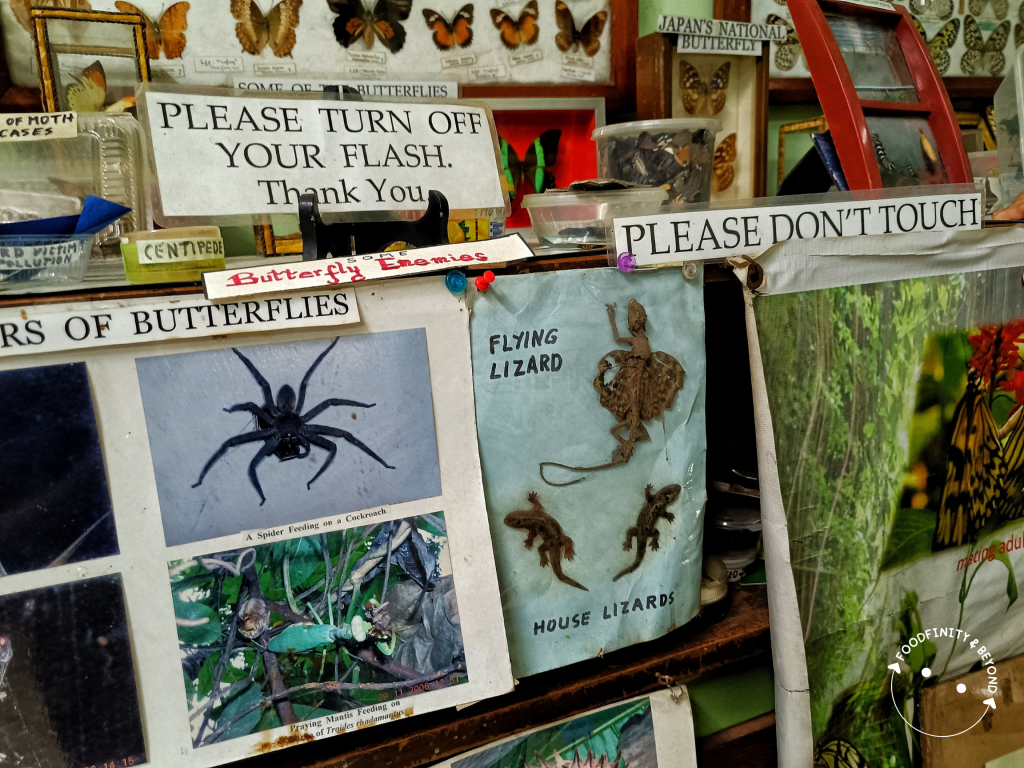
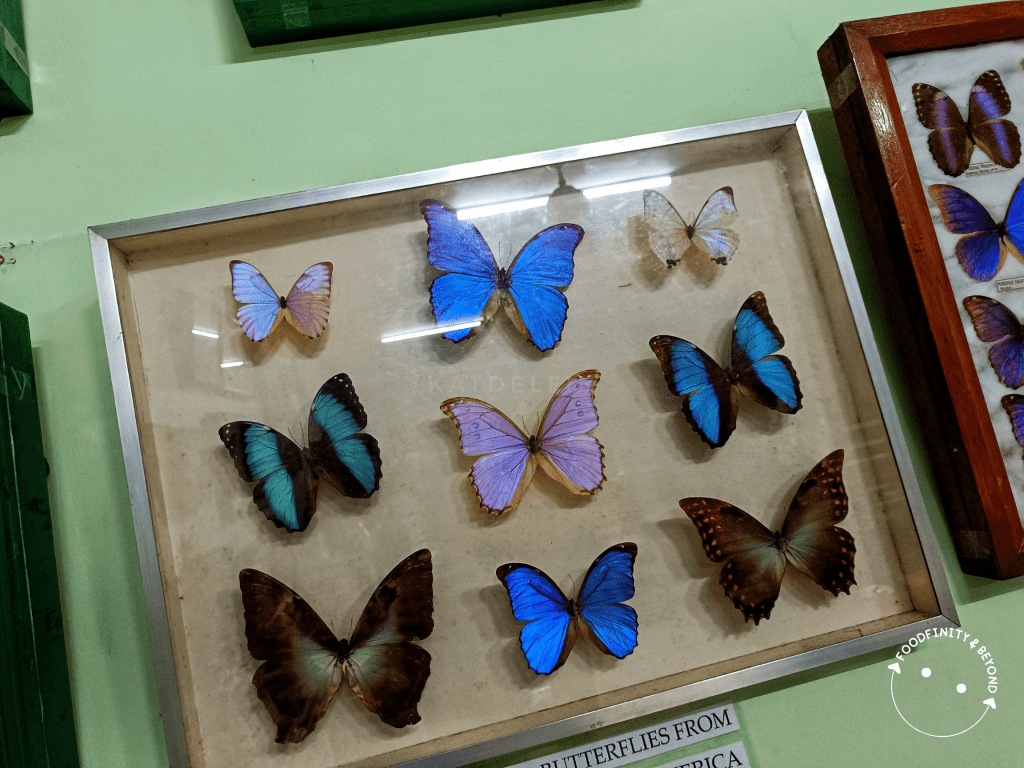
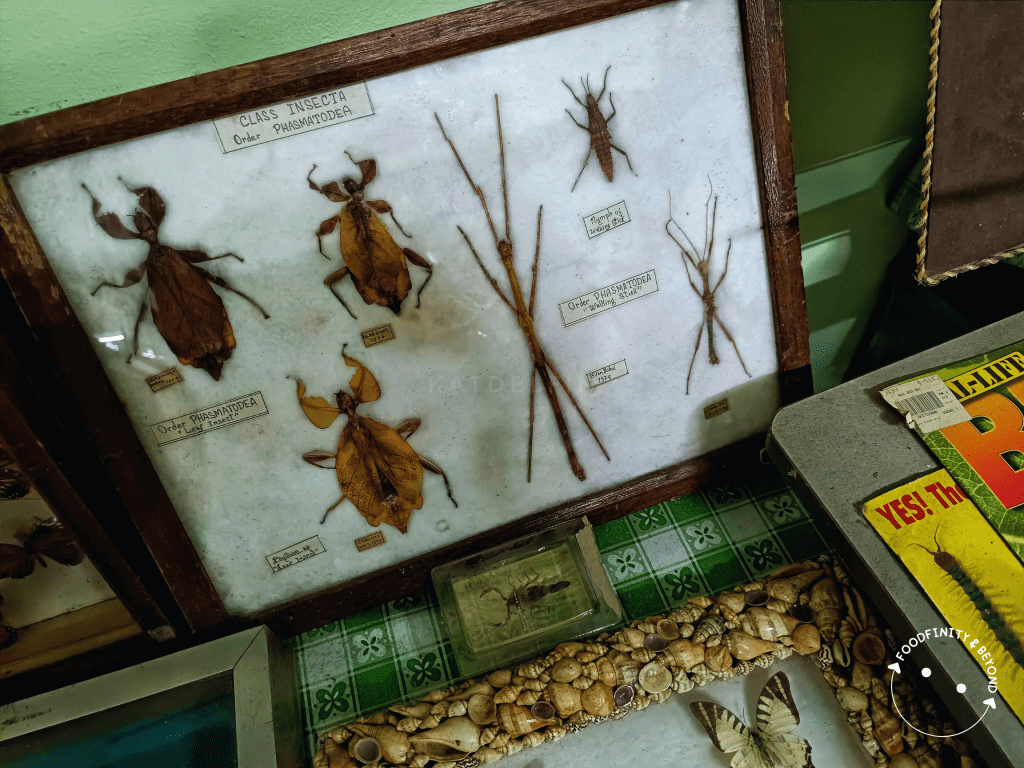
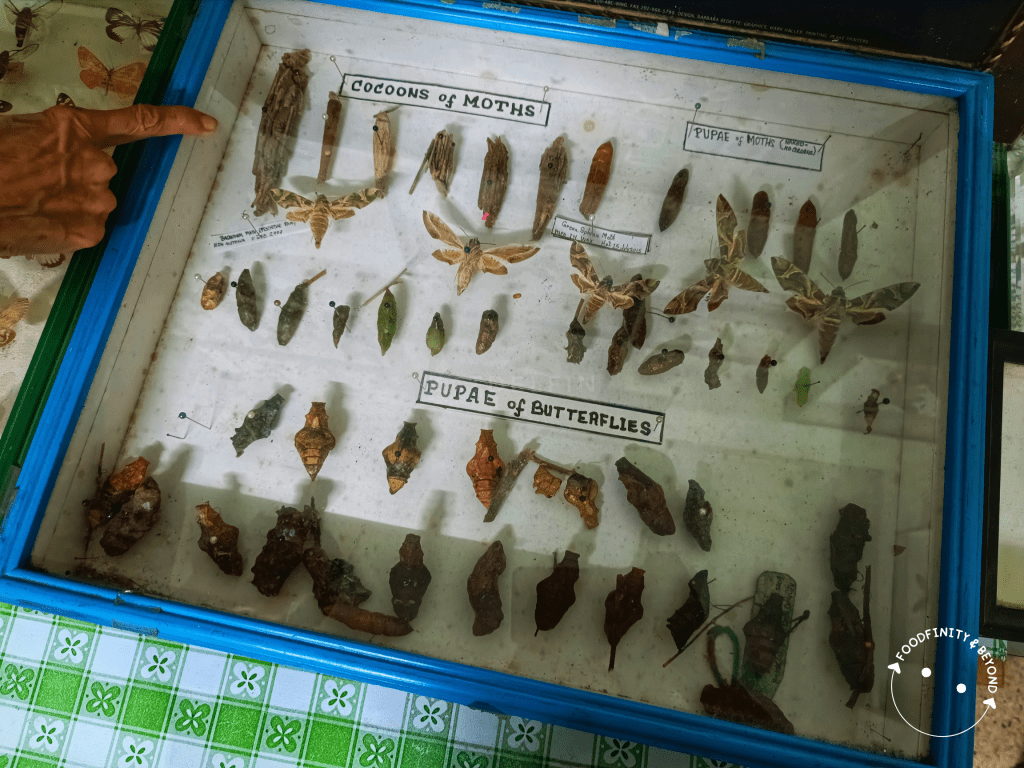
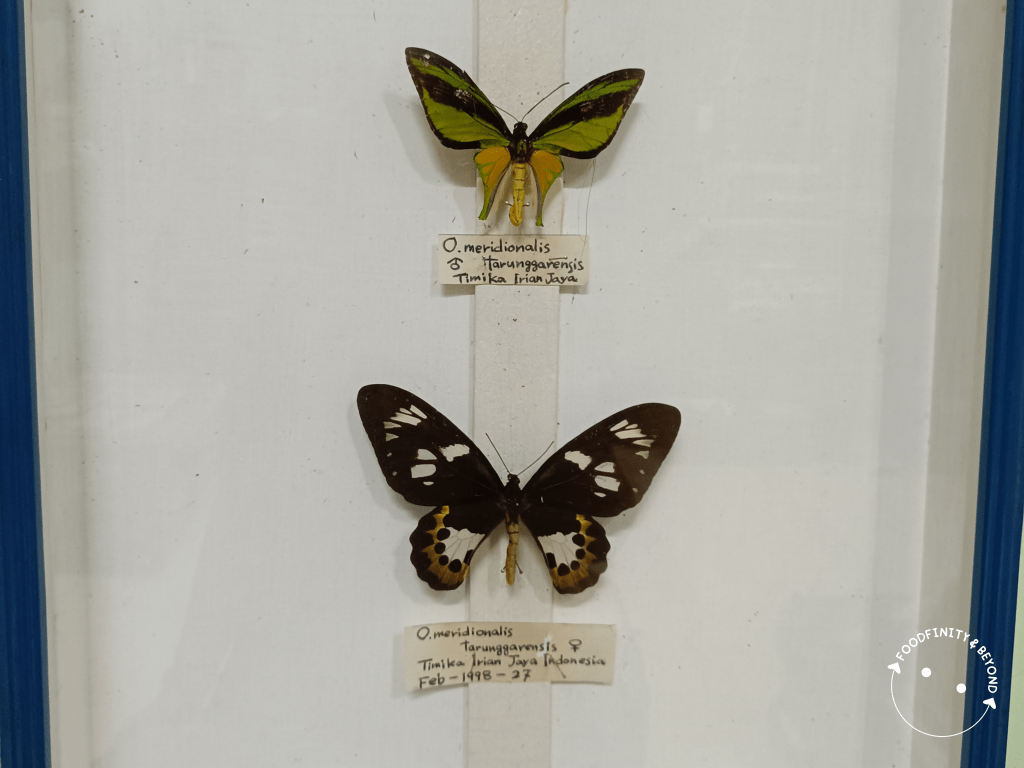
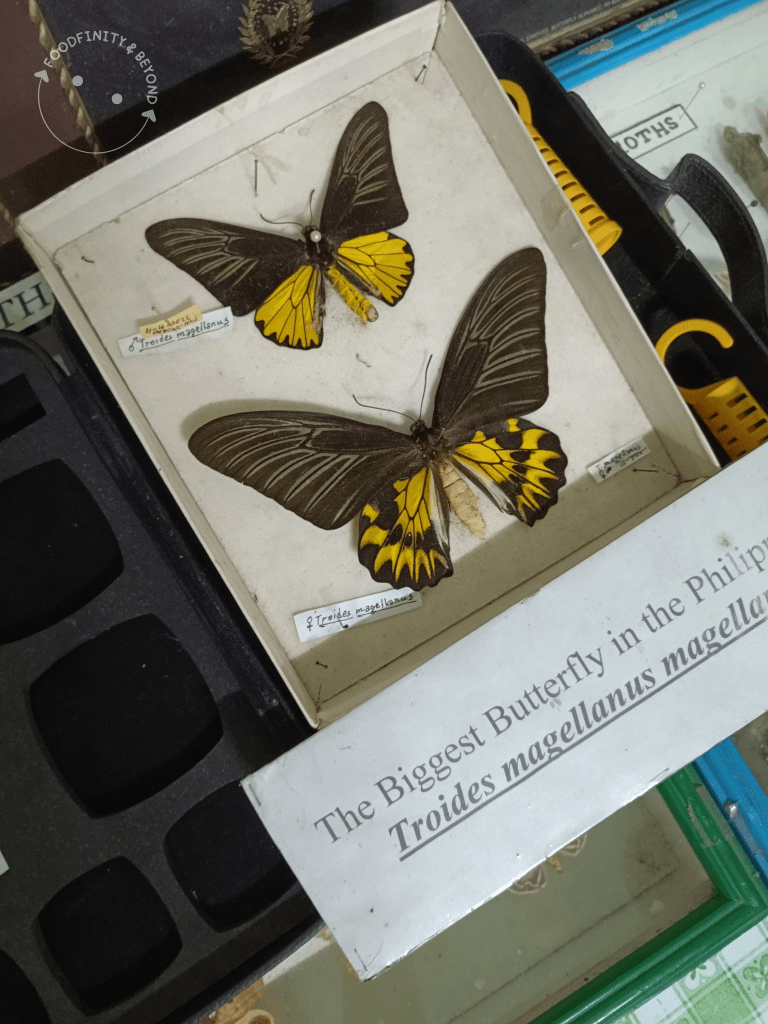
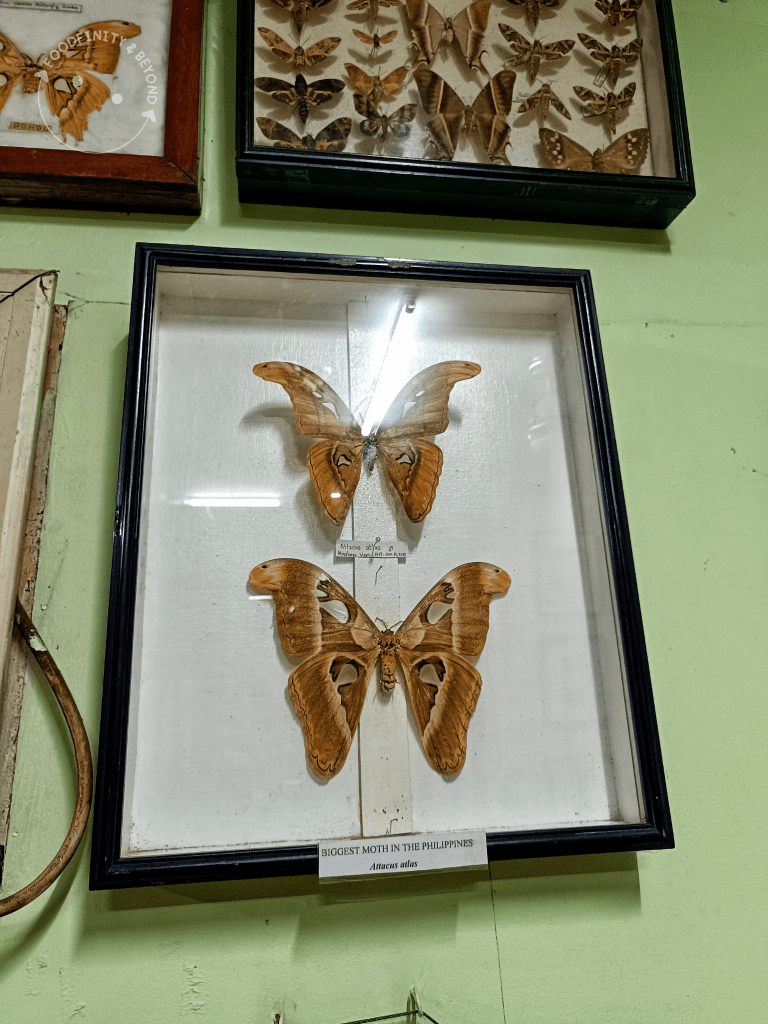
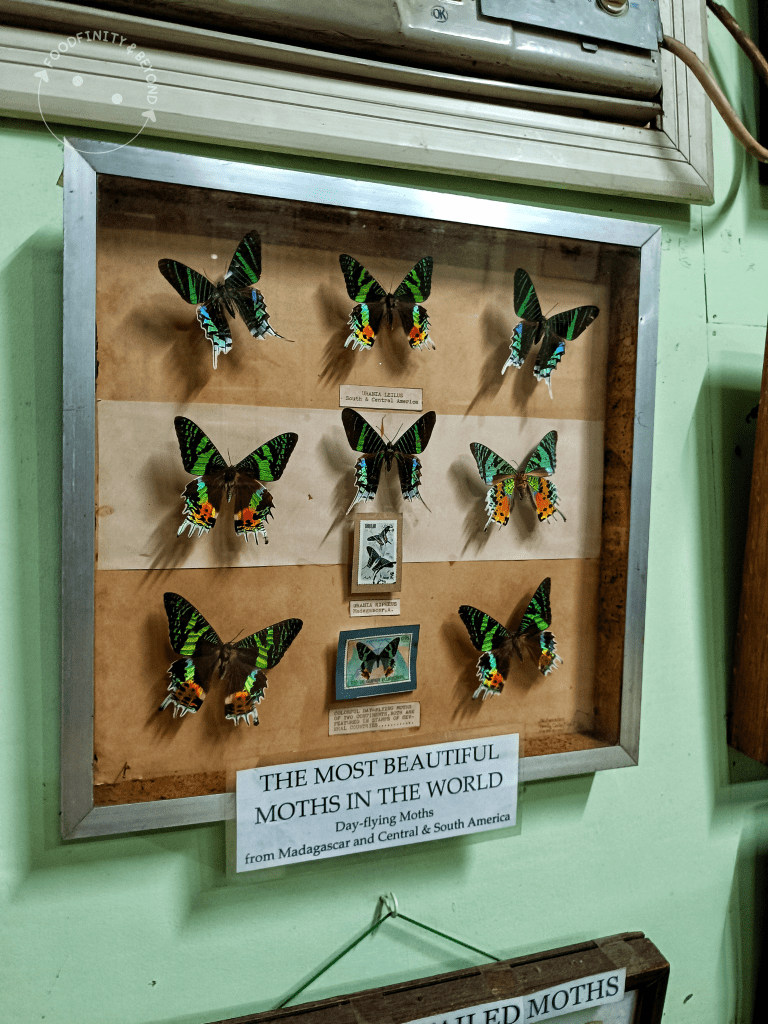
You can find the place through Google Map, but I’ll be honest and go ahead and say coming to this place got my driver–and me–questioning, “Is this the right way?” way too many times because it was his first time coming to the place and I was expecting it to be in a non-residential area.
I wasn’t able to take photos of their signage or even their gates because we might be mistaken and my head was too full of the new excitement with butterflies that it didn’t even cross my mind when I left the sanctuary.
My supposedly 1hr tour turned to a 4hrs lectured with little interest of stopping anytime soon if it only wasn’t for the fact that it was already past 12nn and I was thinking that maybe my driver’s already hungry, or if Ms. Maida was hungry as well.
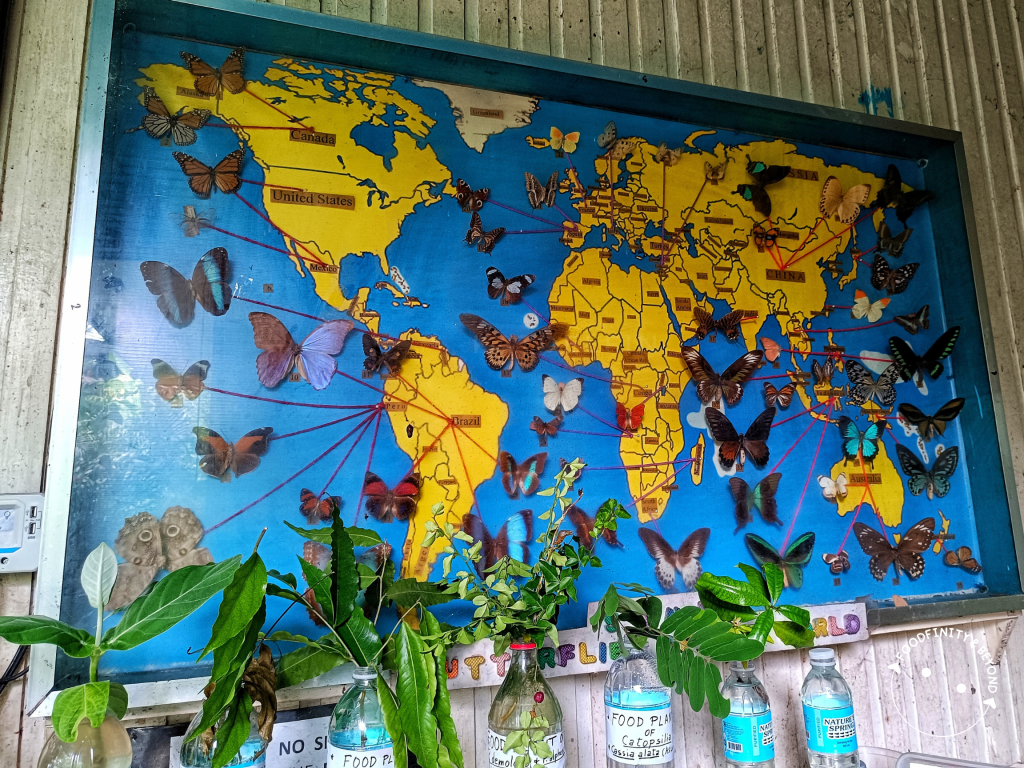
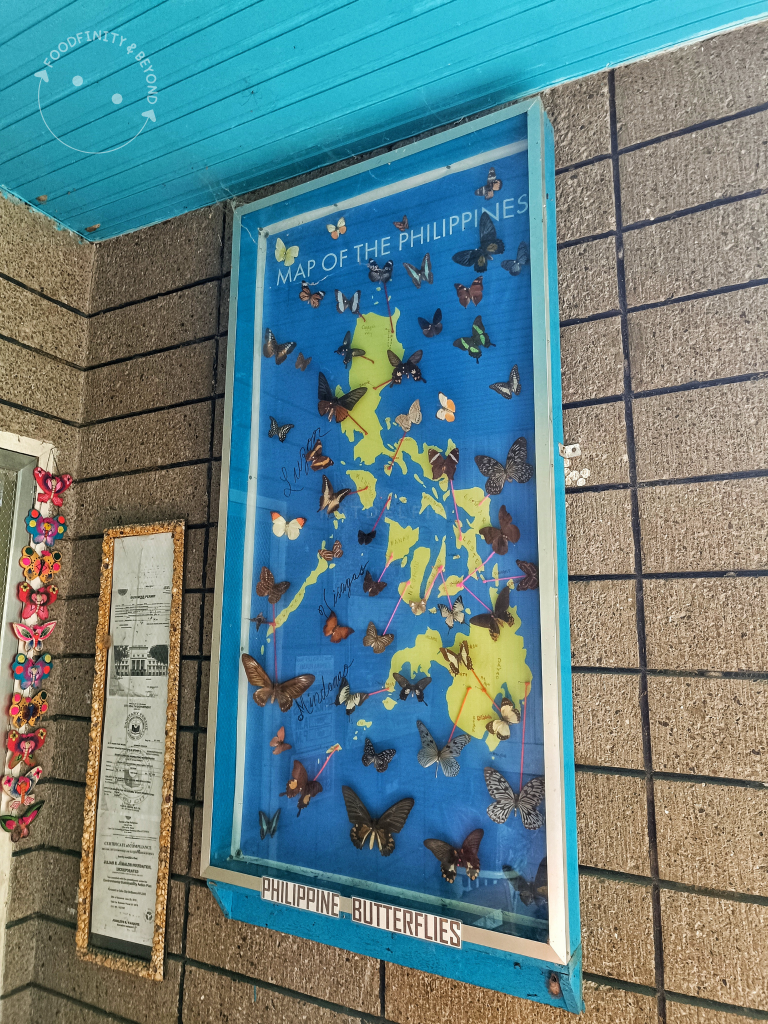
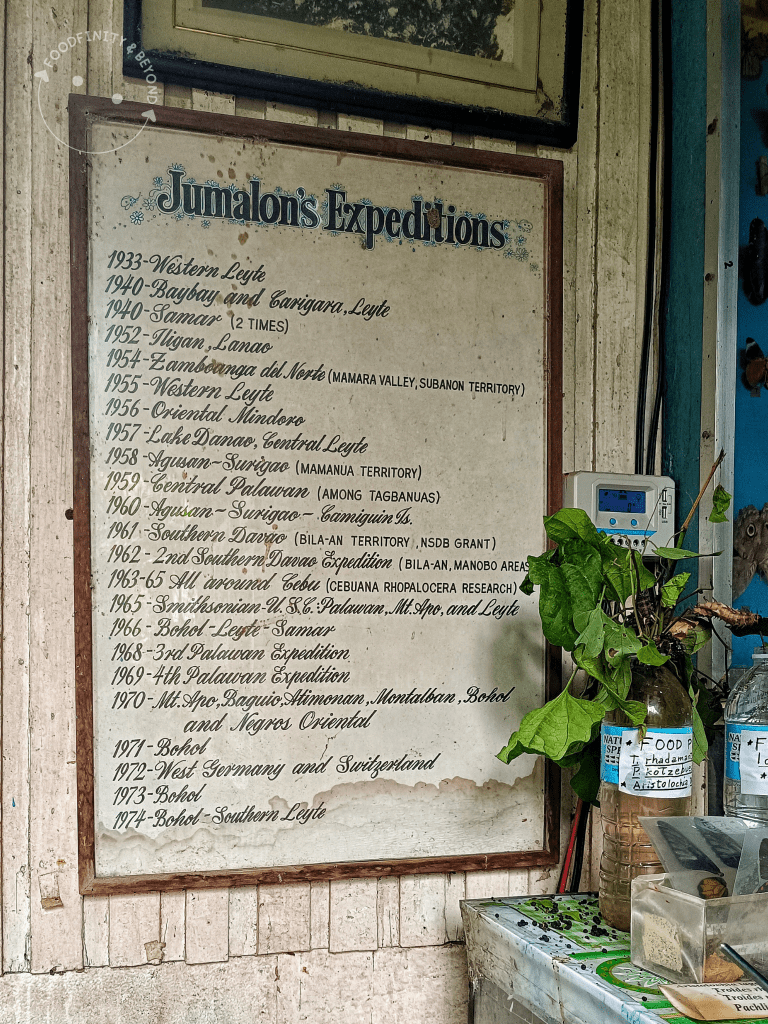
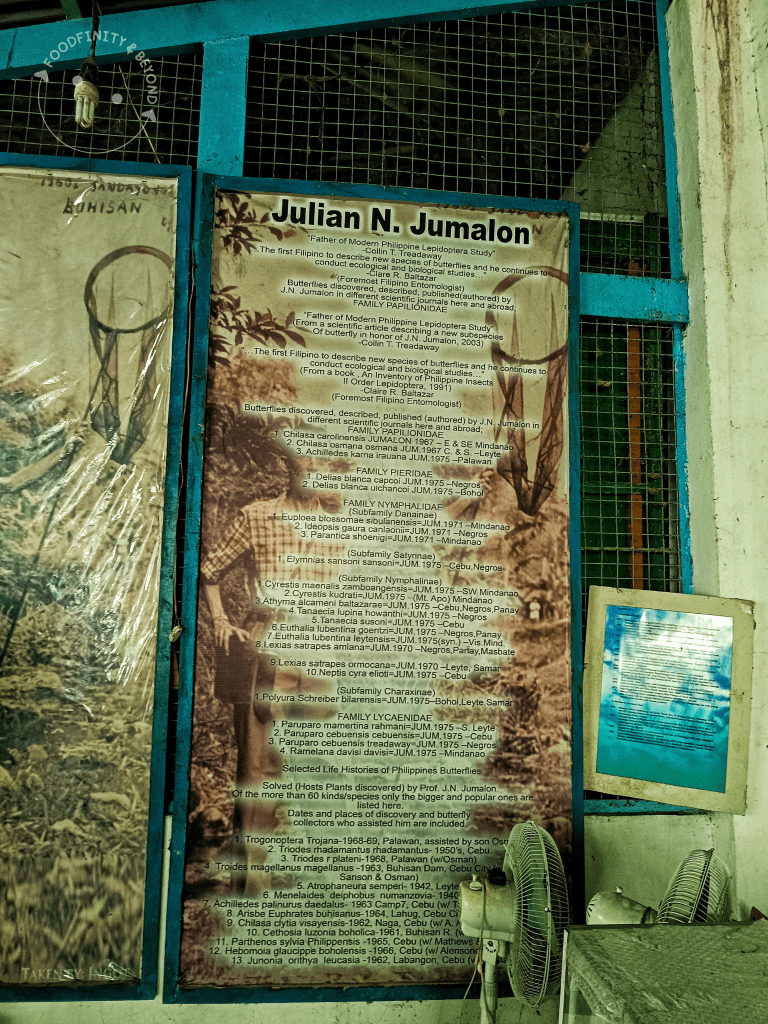
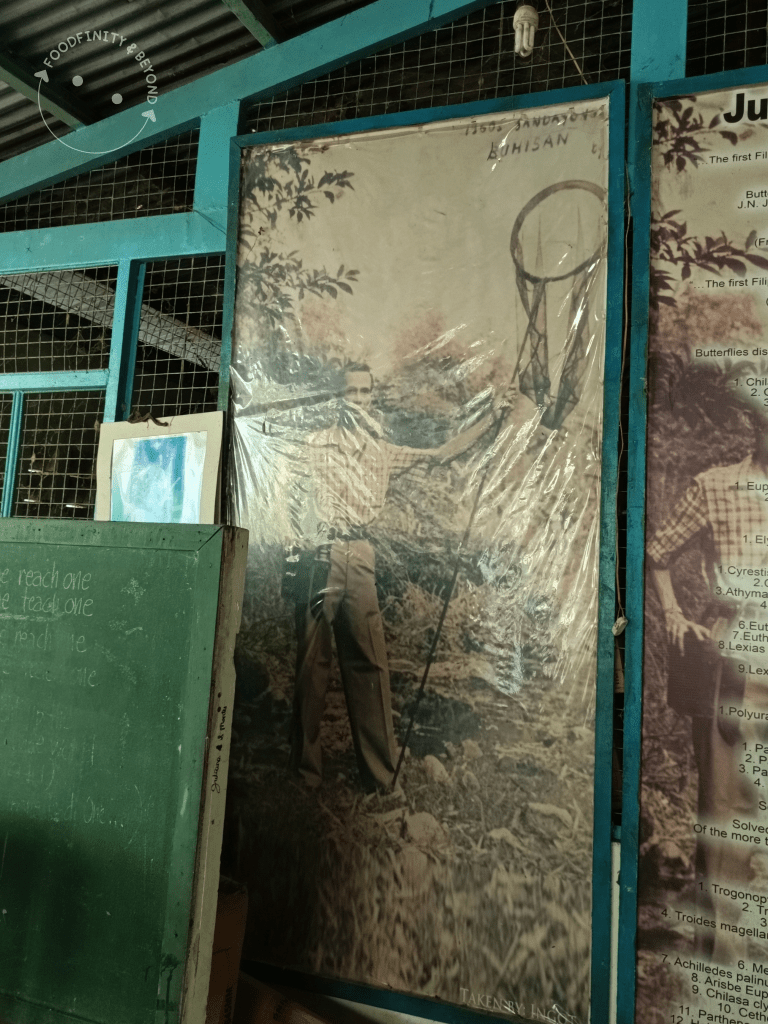
If that doesn’t show just how engaged I was, then I don’t know what will.
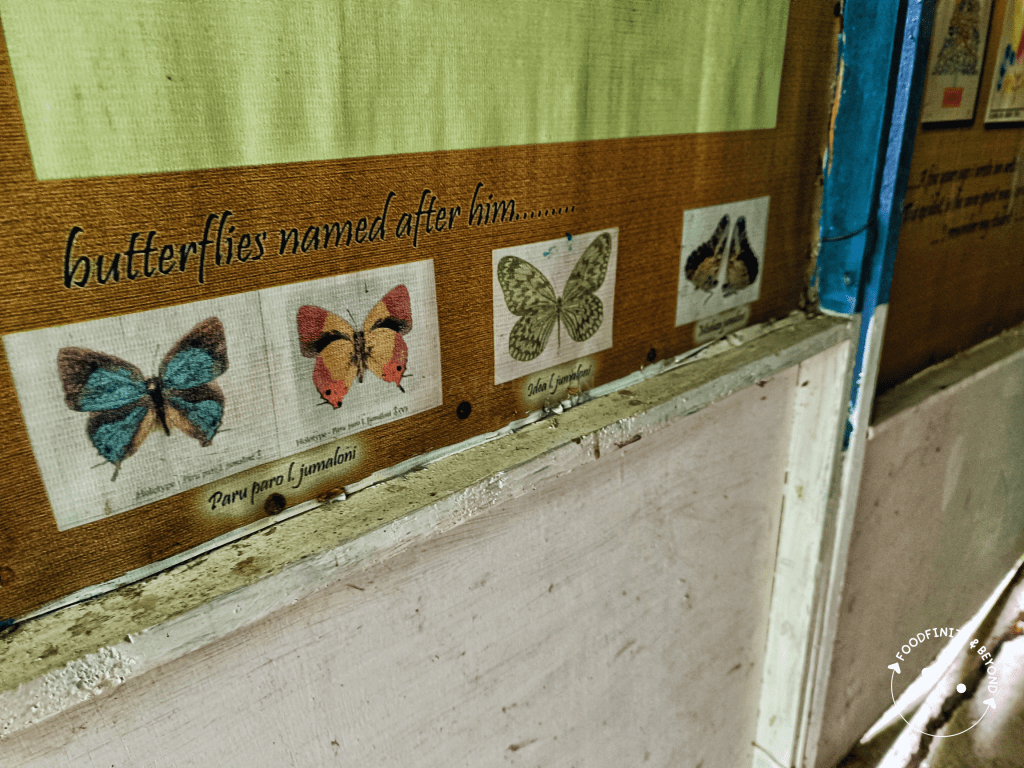
Ms. Maida, together with her brother, Sir Osman, are experienced zoologist who continued their father’s passion for butterflies in their sanctuary which is now considered as being the oldest and having the biggest collection of butterflies in the Philippines. Their father, Prof. Julian Jumalon, was an artist tutored by Fernando Amorsolo and Guillermo Tolentino, whose passion for butterflies led him to discover 26 new butterfly species with 4 being named after him. He also was named one of the 100 most important people in the Philippines and considered the Father of Modern Philippine Lepidoptera Study.
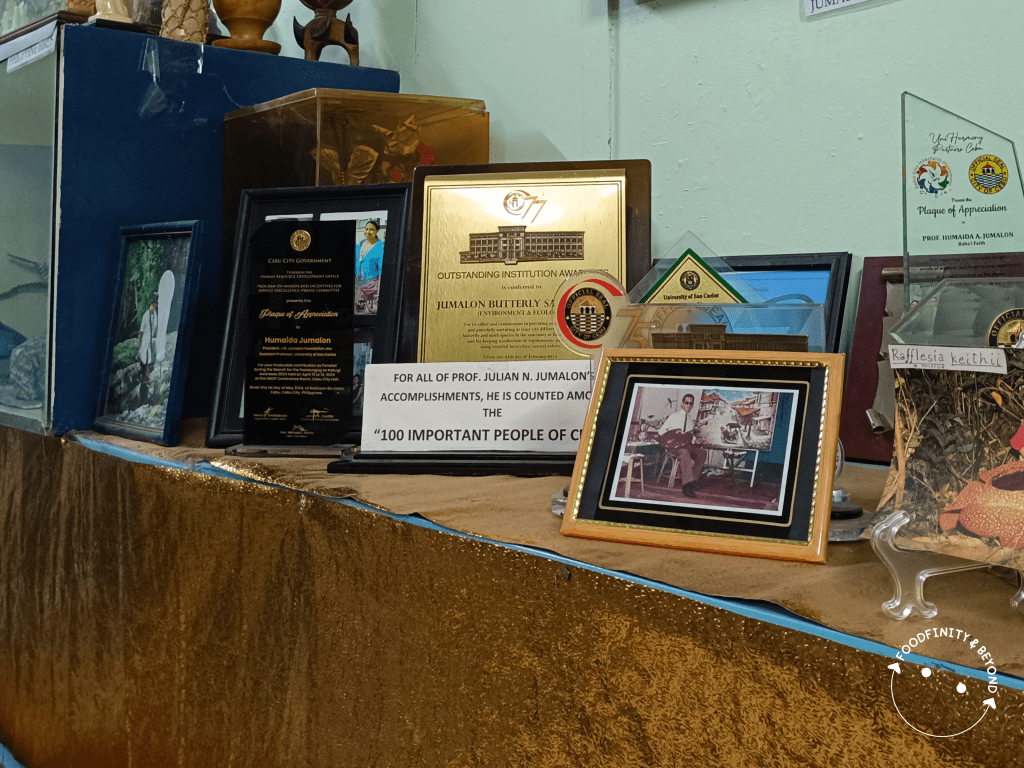
Aside from butterflies and insects, Ms. Maida being a hobbyist and collector herself, they also have other stuff in their collections such as reptile and avian eggs that were donated by a nearby nature reserve park, dolls, miniature houses, matchboxes, among other things.
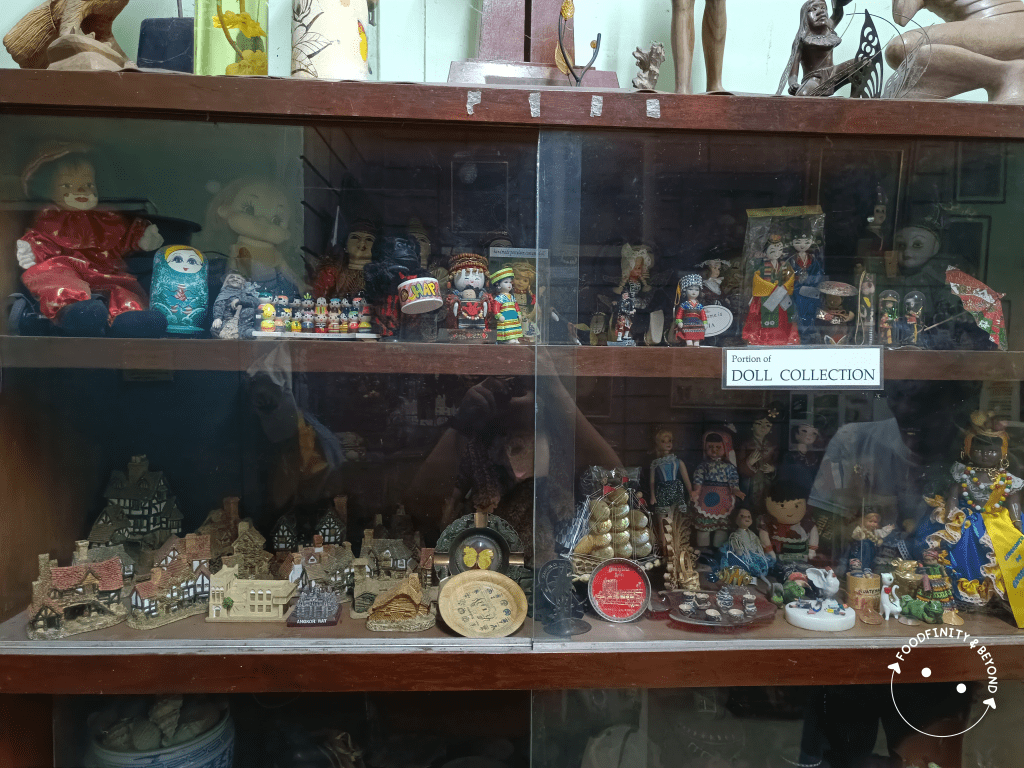
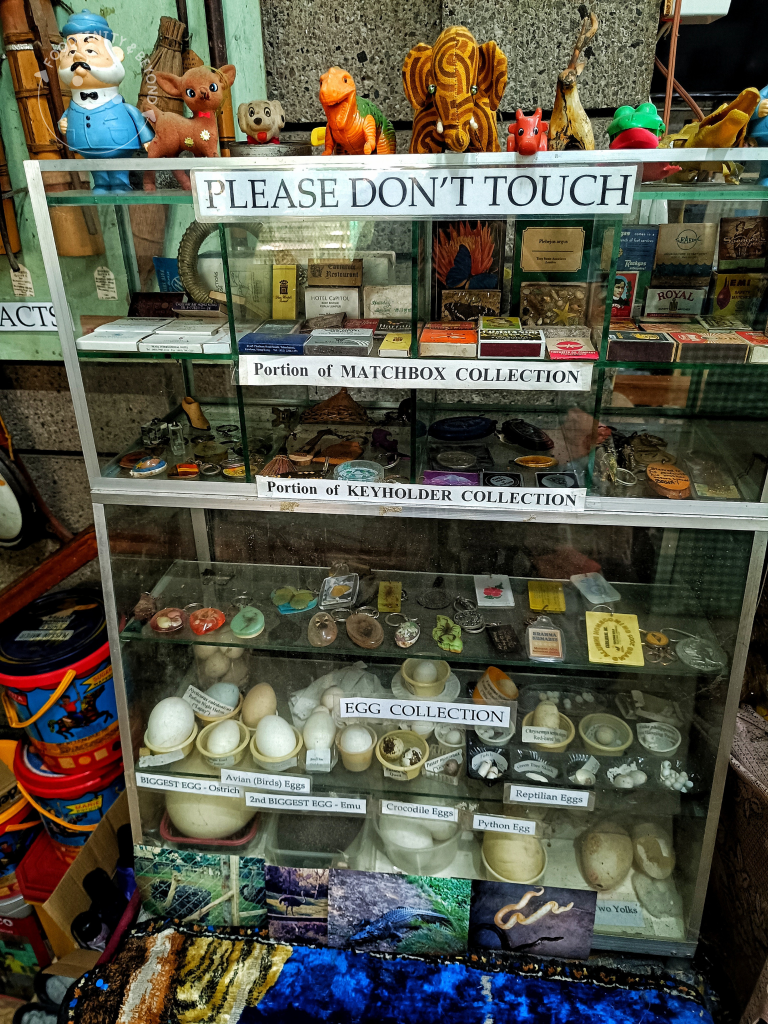
Talking to Ms. Maida and the many things she have collected, studied, and experienced made me think that it’s not bad having so much interests after all.
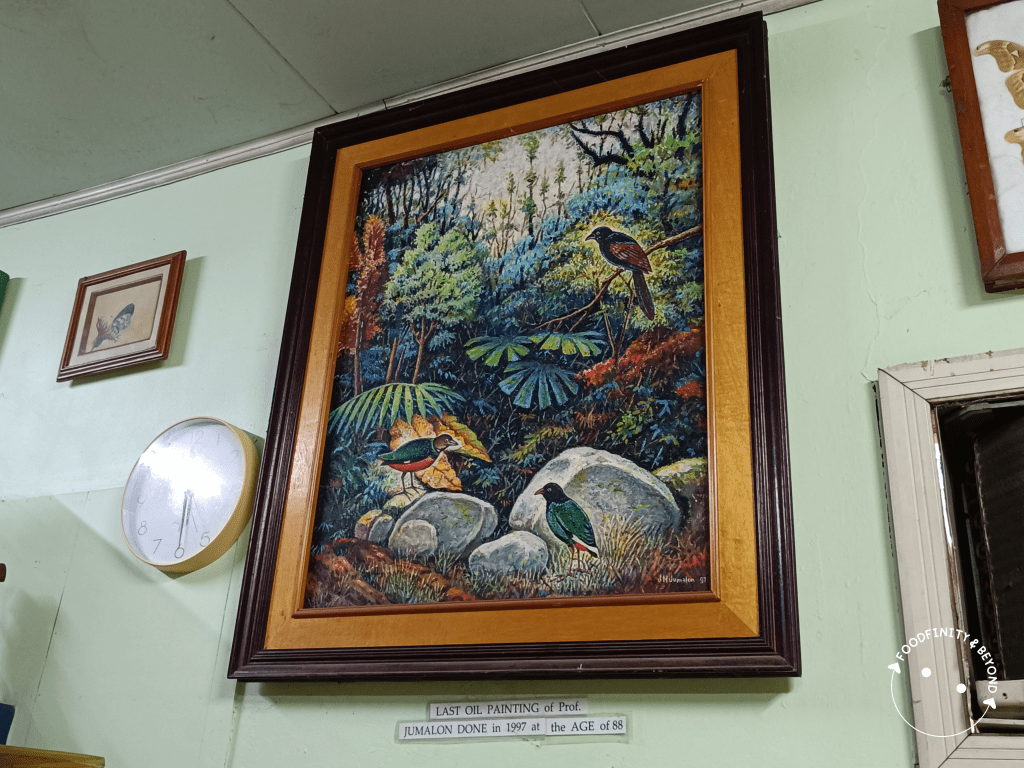
Moving on, before Prof. Julian became famous for his passion of butterflies, he was first an artist. I was able to take videos of his art gallery but just as we were on our way out, I read a small sign that taking videos and photos were not allowed, and I want to honor that, but I am telling you, they’re beyond amazing! His lepido-mosaics (mosaics made from butterfly wings) are amazing. If you look really close at it, you can see the shifting colors of some butterfly wings. This creates a unique palette that you can’t recreate with normal paints. His watercolor paintings also looked like pastel at first glance. So much texture and vibrant colors. Like how?
One of Prof. Jumalon’s patrons, and I believe also a good friend, who adored his art was Mr. Masahiro Kasahara, a fellow japanese lepidopterist-artist from Chichibu, Japan. Mr. Kasahara have gifted the late professor with specimens of some of the rarest and most expensive butterflies from Papua New Guinea and Indonesia.
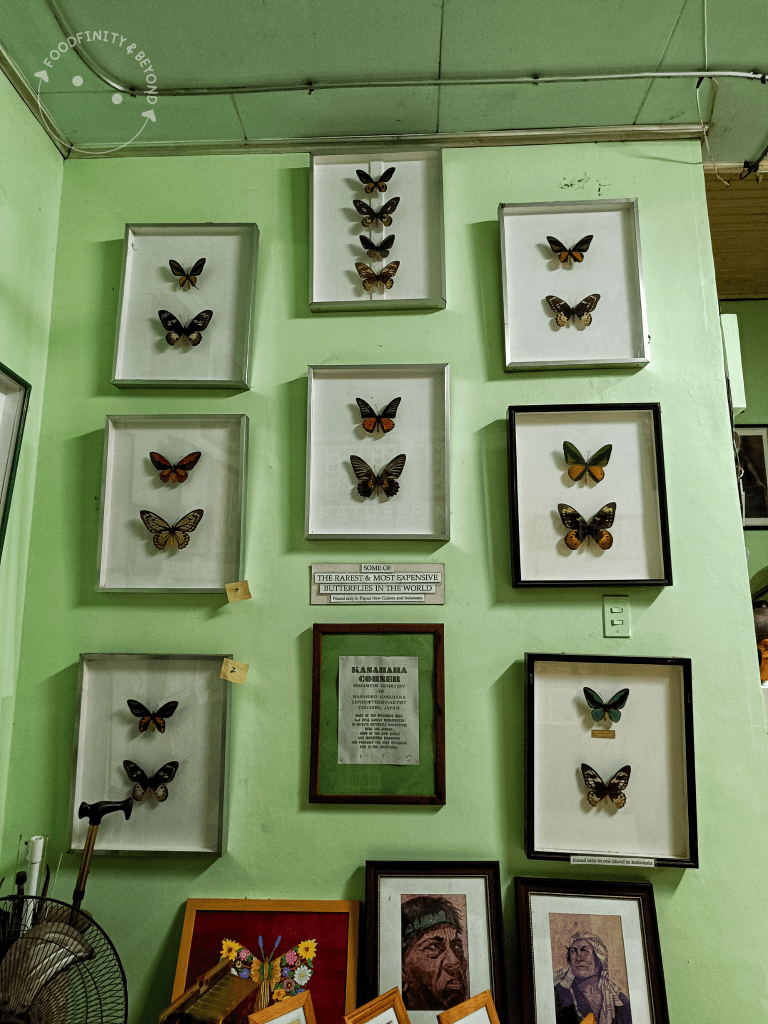
Their brother, who unfortunately already passed away, was into taxidermy, a collection that Ms. Maida also showed me. I was sooooooo amazed by my trip there that I even offered Ms. Maida that if she ever visits Antique, she can call me and I’ll tour her around.
Oh, and her brother, Sir Osman, mentioned about wanting to make a field guide for butterflies in Panay but they don’t have young people who are interested enough to go and look for butterflies in the forests. So me, being the enthusiast that I am, bought their published (and signed) field guides and confidently said, “Hopefully when you do get to visit Antique, maybe, just maybe, we’d have a butterfly appreciation club.”
It’s been almost two months since writing this piece, and I have opened up the interest to a few friends, and have told my mom about it. I’m still not close to ever building an appreciation club, but I think being more mindful of butterflies now than I was before is a very good start, don’t you think?
Oh, before I forget, to help maintain the sanctuary and the art gallery, a fee of, if I remember it correctly, Php100.00, is collected before the tour/lecture begins. However, it’s free for Cebuanos. Ms. Maida said that it used to be free for all, but they also needed the fund to keep the sanctuary alive–a valid and reasonable point, in my opinion.
I will be uploading a separate post about the things I learned about butterflies from Ms. Maida because if I included it here, there’ll be no end to it. For now, this is all I have to say about my visit to Jumalon Butterfly Sanctuary, Museum, and Art Gallery.
It’s one of the must-visit in Cebu especially if you’re into animals and insects like me. If I had a day to just to listen to Ms. Maida and Sir Osman lecture about butterflies and other animals, I would gladly spend it at the sanctuary.
So, I’ll see you in post? Okay? Okay. See you soon, driftling!
Bye-bee!



 Wines & Prologues
Leave a comment